Sri Lanka, IMF have agreed on a way out of nation’s economic hell. But what will it mean for the people?
- Experts say there are many challenges ahead as prices continue to rise, with millions already in dire straits and warnings of a humanitarian crisis
- ‘It is unfair that we have to take the brunt of the government’s mistakes. They should pay for this, not us’

Following months of negotiations, the International Monetary Fund (IMF) and the government of Sri Lanka have reached a so-called staff level agreement on an extended fund facility, but several challenges lie ahead in meeting some of the conditions, experts say.
Announced last week, the formal arrangement offers Sri Lanka around US$2.9 billion over a two-year period, subject to approval by IMF bosses.
The ambitious IMF conditions include “major” tax reforms, electricity and fuel pricing that is “cost – recovery based”, more autonomy for the country’s central bank, changes to the banking act, an improved framework for anti-corruption, and social safety nets for protecting the poor and vulnerable.
The agreement comes at a time when the country is desperately battling an unprecedented economic crisis, with shortages in fuel and medicine, and food prices rising exponentially.
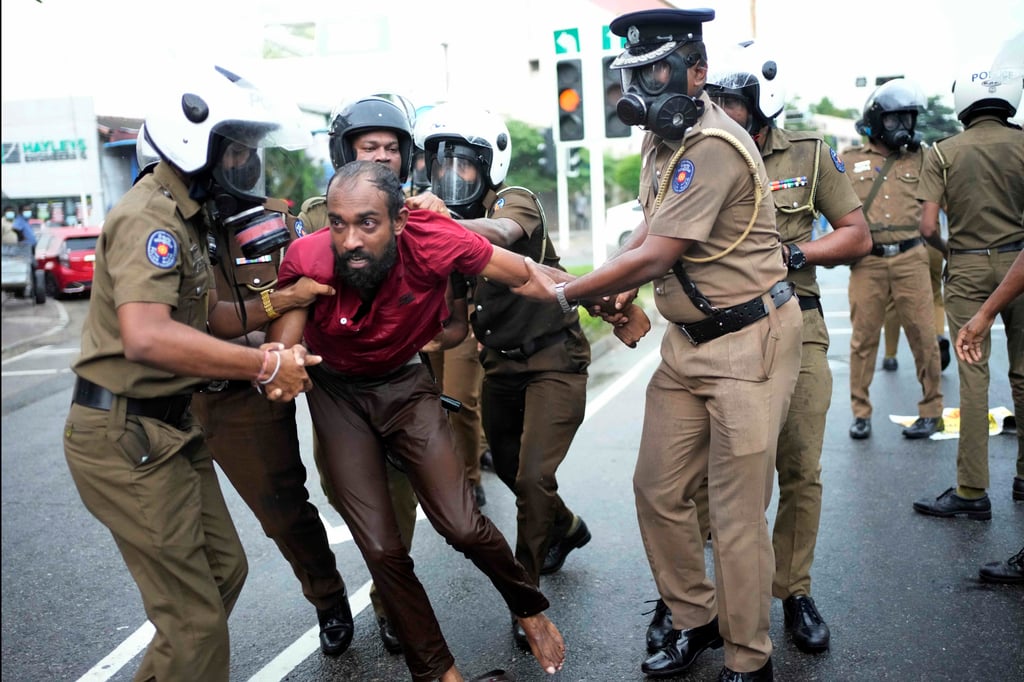
“We are heading towards a humanitarian crisis today. So, there is no [time to] relax and wait until things improve. We have to work very hard day and night in order to avoid this catastrophe,” said W. A. Wijewardena, a former deputy governor of the Central Bank of Sri Lanka.