The US defence giant linking Hong Kong air traffic control to THAAD and the Pentagon
Company behind the glitchy network spends 95 per cent of its time building weapons systems – and was behind the Tomahawk missiles that hit Syria as Trump dined with Xi

Sitting mid-flight in your airline seat, any number of events can turn what was supposed to be a relaxing few hours at 30,000 feet into something a whole lot more stressful.
High on the list is the calm and collected pilot interrupting the in-flight entertainment to inform you of a technical problem which your gut insists will be much worse than his reassuring tone suggests.
As often as not, keeping you company is some in-flight safety information, reading material that reveals the most likely ways critical systems that keep us all safe from take-off to landing are most likely to fail.
Passports for sale: rich Chinese, the new super immigrants
Or, you could opt to read a story in a complimentary newspaper about Hong Kong International Airport’s “new” air traffic control system – it has produced a stream of worrying headlines about lost passenger planes, enforced shutdowns, chronic delays and a system still mired in glitches five years after it was supposed to be fully operational.
The HK$1.56 billion air traffic control system in question is the Auto Trac III (AT3) manufactured by one of the world’s top five defence contractors, Raytheon.
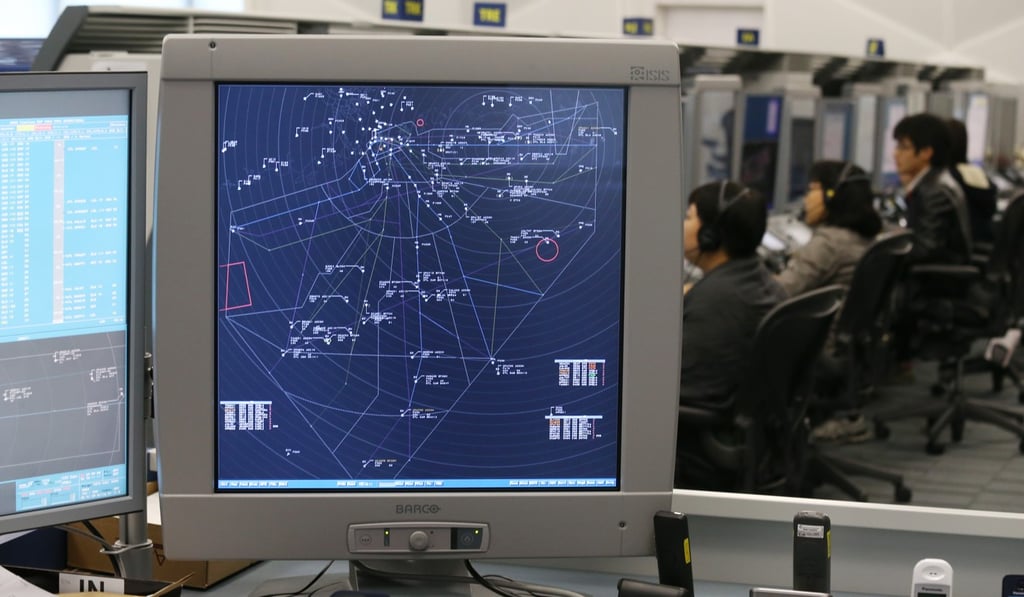
Reports detailing everything from technical failures to unsubstantiated allegations of impropriety surrounding the granting of the original contract reached a crescendo in recent weeks, but little detail has emerged about Raytheon itself and its corporate hierarchy.