Why did all 7-Elevens in Jakarta suddenly disappear?
Analysts say strong competition, regulations and a sluggish economy created a perfect storm that the convenience-store chain could not withstand

The closure of global convenience chain 7-Eleven in Indonesia underlines the tough economic and regulatory landscape that could deter future investors from taking over the iconic brand’s franchise in Southeast Asia’s biggest economy.
The publicly listed PT Modern Internasional, 7-Eleven’s franchise holder in the country, said in its statement to Jakarta’s bourse that a lack of resources was the main reason it ceased operations at all 7-Eleven outlets permanently as of June 30. The company also cited its failed deal to sell the franchise and other assets to Charoen Pokphand Indonesia, an affiliate of Thai conglomerate Charoen Pokphand Group, for 1 trillion rupiah (HK$585 million).
But the debate over why 7-Eleven, widely known as “sevel” in Indonesia, closed down its stores continues to swirl. Analysts and industry watchers said that a combination of strong competition, an economic downturn and regulatory hurdles, including a 2015 nationwide ban on the sale of alcoholic drinks in mini markets, led to the brand’s closure.
The company didn’t respond to repeated requests for comment.
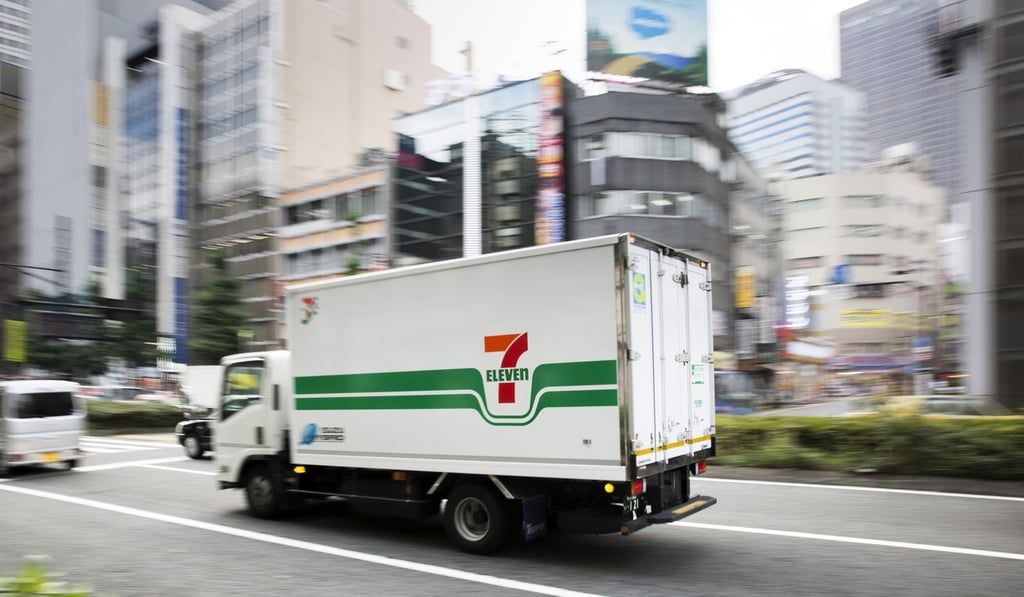
“On June 14, 2017, 7-Eleven Inc. terminated its master franchise agreements with PT Modern Sevel, a wholly owned subsidiary of PT Modern Internasional,” Dallas-based 7-Eleven, franchiser to Modern Internasional, saidin a statement. “The termination came after 23 months of negotiations between 7-Eleven and PT Modern Sevel to bring it back into operational and financial compliance with the master franchise agreements.”