Uber: a no-Goa at Asia’s tourist hotspots?
While metropolises like Jakarta, New Delhi and Singapore are embracing ride-sharing companies like Uber and Grab, tourist destinations like Phuket, Bali and Goa have been less welcoming – and it’s the customers who are losing out

German tourist Sebastian Powell has an enduring obsession with the Thai holiday island of Phuket. Its beautiful, picturesque beaches have drawn him to visit at least eight times in the past six years and the appeal never seems to dim. Each time he leaves with cherished memories and a feeling that he has seen a different side to paradise. Distinct as each trip has been, however, the experiences seem to offer one constant: being ripped off by taxi drivers. Take Powell’s most recent visit, in October, when he took a taxi from the airport to his hotel on Patong Beach. Not only was the vehicle “in a dismal state” and “reeking of gasoline”, but he was charged 650 baht (HK$155) – more than twice as much as a Bangkok taxi would charge for the same distance. “The problem with the taxi mafia in Phuket is simply the price and that most ‘taxis’ are actually private cars that don’t come with a meter, so drivers can make up prices as they go,” said Powell, an editor at travel blog LoyaltyLobby in Japan. “That’s annoying and mostly a rip off.”
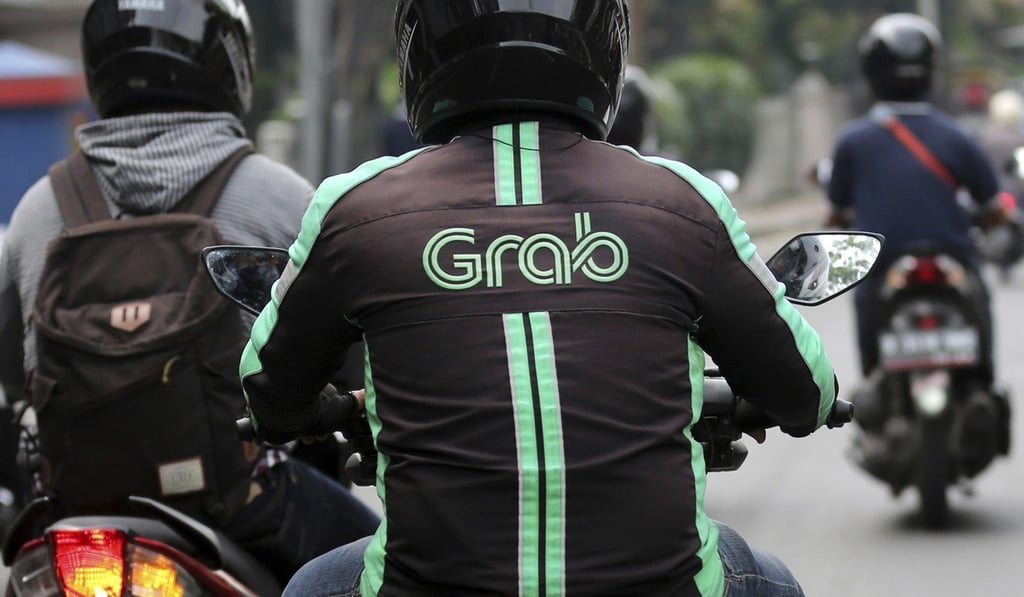
Powell’s experience illustrates how ride-hailing companies are still struggling to make an inroad into Asian holiday spots such as Phuket, Bali, and Goa, where taxi unions, backed by local authorities, continue to oppose them. That’s in stark contrast to regional metropolises like Jakarta, New Delhi, Hong Kong and Singapore, where ride-hailing companies have enjoyed high levels of growth as regulators and traditional transport providers learn to work with the new technology.