Planned ‘pharma city’ to pump out cheap Indian drugs is making villagers sick with anger
Officials in Hyderabad promise that an industrial estate will not only help India end its reliance on China for key pharmaceutical chemicals but also improve the lives of residents. But villagers aren’t buying it

Driving up the motorway from the southern Indian city of Hyderabad, smooth all-weather roads become wider. In the crisp February morning, factory chimneys raise their heads above the green landscape and roadsides are lined with cotton crops, waiting to be harvested.
Saraswati, a landowner of the Medipally village in Telangana province, of which Hyderabad is the capital, shudders to think that all this would soon be replaced by miles and miles of concrete factories manufacturing pharmaceuticals.
Hyderabad, called “bulk drug capital of India”, contributes almost 20 per cent of pharma exports from India and generates US$15 billion a year, according to the federal finance ministry. The city plays a major role in making India a leader in the global generic drug business and clinical research outsourcing.
Meet the Secret Superstar of China, from India: Aamir Khan
Despite India’s leading position in the generic drug business, it has to import 75 per cent of bulk drugs, the chemical ingredients with therapeutic effect that form the basis of any medicine, from China. Telangana has around 400 pharma companies. Of these about 170 are bulk drug units, but they produce hardly enough to meet the supply.
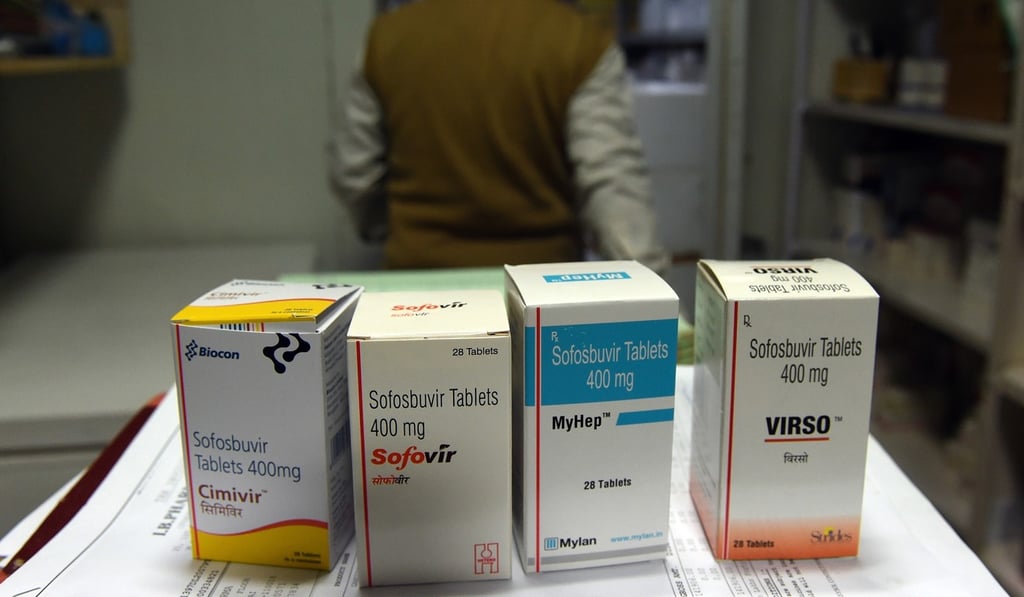
Such reliance on China, a Telangana government report says, “poses significant risks of supply shortages under a scenario of strained bilateral ties between the two countries. Any adverse environment in China can create shortages…. drive up prices”.
For instance, during the Beijing Olympics, when the Chinese government cracked down on domestic penicillin plants for non-compliance with environmental norms, there was a significant spike in bulk drugs prices in India.