Indonesia seeks Saudi cash as alternative to ‘aggressive’ China: Widodo ally
- Yenny Wahid, a key member of President Joko Widodo’s re-election campaign, recently secured a funding commitment of US$100 million from Saudi investors

“When you only have funding from one particular group or country that makes your position very vulnerable, so it’s always in the best interest of any country to have leverage by creating multiple source of investment from different countries,” Zannuba Ariffah Chafsoh Rahman Wahid told the South China Morning Post on the sidelines of Ubud Writers and Readers Festival in Bali. “China is very aggressive, that’s why you see them everywhere. Other investors are not as aggressive as China, so we tried to lure them to come here.”
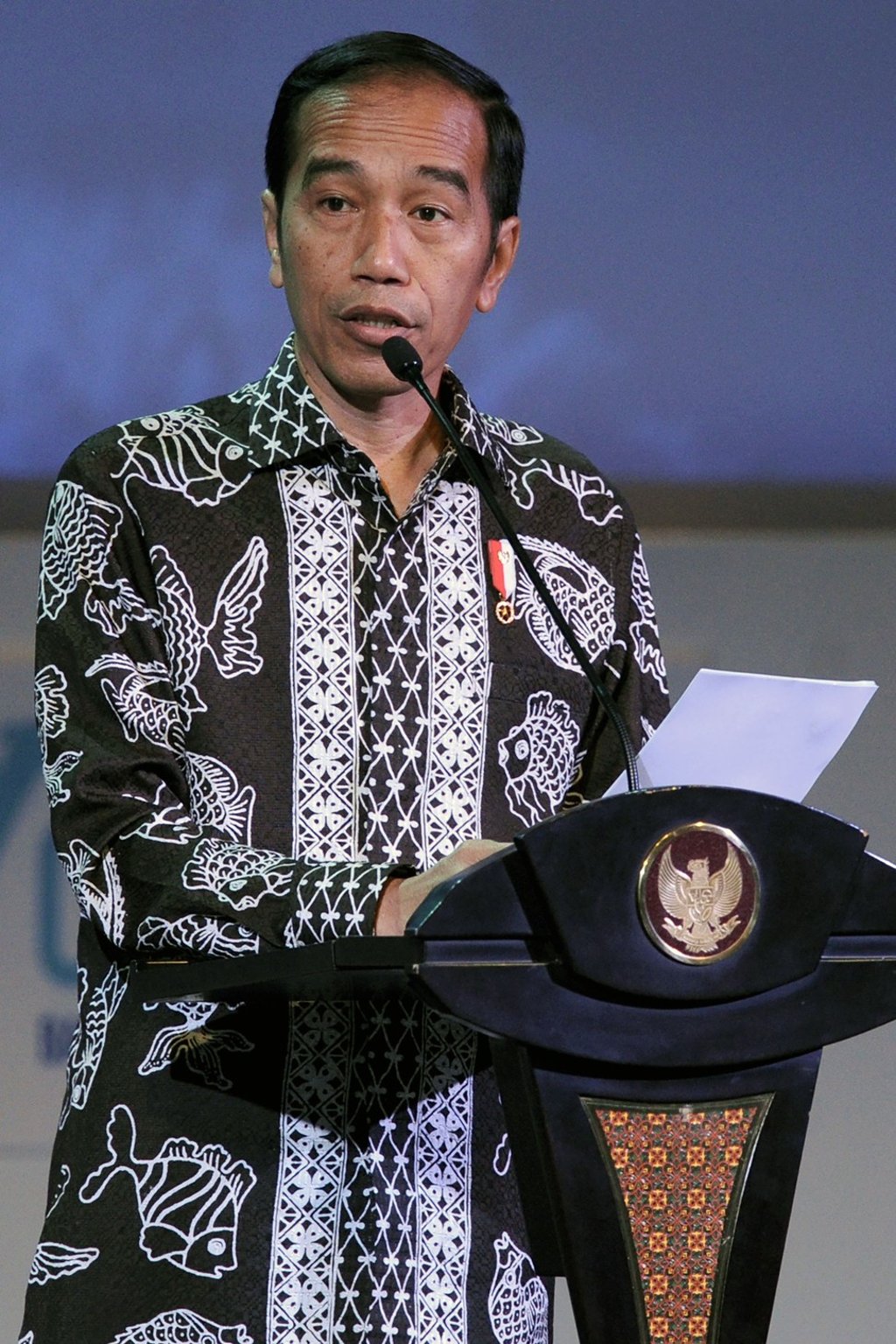
Wahid, popularly known as Yenny, is the daughter of Indonesia’s fourth president, Abdurrahman Wahid. The 44-year-old recently stepped down as chairman of The Wahid Institute, a non-profit organisation for Islamic studies and religious tolerance, to support Widodo as he seeks a second five-year term in next year’s general election. Widodo will face former general Prabowo Subianto in a replay of the 2014 election, which Prabowo lost by a single-digit margin.
Last month, Yenny arranged a meeting between Minister of State-owned Enterprises Rini Soemarno and Abdulrahman Al Saeed, an adviser to the Saudi royals, which resulted in a US$100 million commitment by Saudi investors to fund Indonesian infrastructure. The investment, secured during the annual meeting of the International Monetary Fund and World Bank in Bali, was widely seen as representing an alternative to the Chinese investment that has dominated in Southeast Asia.
“This is an era of competition so you cannot just stay silent and hope that people will knock on your door … you need to knock on their door and invite them in,” said Yenny. “This is what we are doing now.”