In Southeast Asia, a land without Uber has an Uber for everything
- The big daddy of on-demand services may have retreated from the region, but its legacy lives on
- A wave of start-ups that learned from its example now offer an ‘Uber for everything’ – from caregiving to groceries, massages to helicopter rides

Ride-hailing giant Uber may have retreated from Southeast Asia, but there can be little doubt that it has left its mark on the region’s start-ups – many of which might not be around today had they not learned from its mistakes.
When the company arrived in Singapore, in 2013, its now-familiar online app connecting customers and drivers and its clear pricing system were a revelation in a region where customers had previously relied on word of mouth and Google searches.
Its business model helped give birth to competitors such as Indonesia’s Go-jek and Singapore-based Grab, which went on to acquire the San Francisco-based company’s loss-making Southeast Asia operation in March last year.
But it also inspired something far beyond its immediate competitors: a new sector offering an “Uber for everything”, as start-ups raced to become the first to launch on-demand services in areas as diverse as grocery delivery and laundry services to helicopter hires and senior care.
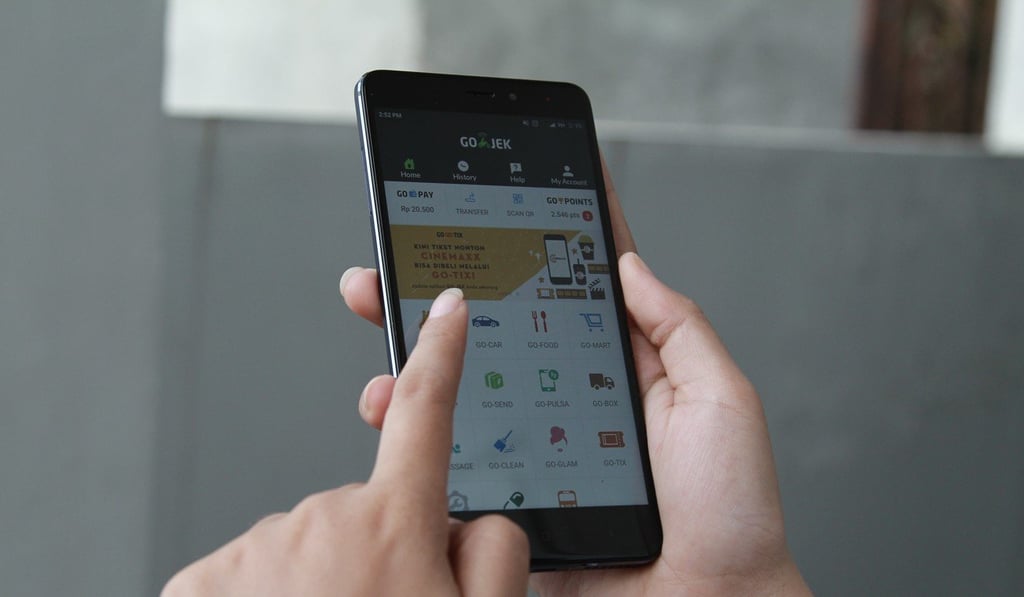
Examples of its lingering influence include Honestbee, a Singapore-based on-demand delivery service for food and groceries that has expanded to eight cities including Jakarta, Bangkok, Manila and Hong Kong; the marketplaces Kaodim in Malaysia and Seekmi in Indonesia, which offer services from professional cleaners to photographers; Helpster, which connects blue-collar workers with employers in Thailand and Indonesia; and Singapore’s Homage, connecting carers with the elderly and disabled.
Few, however, have the reach of the on-demand behemoths Grab and Go-jek, which have widened their offerings in recent years to include everything from massages and beautician appointments to package deliveries and on-call mechanics.