US addition of Malaysia, Singapore to ‘monitoring list’ over currency practices met with ridicule
- Analysts say Washington’s inclusion of Southeast Asian economic powerhouses, including Vietnam, ‘defies logic’
- Questions have also arisen as to whether the updated US list includes countries with a close economic relationship to China
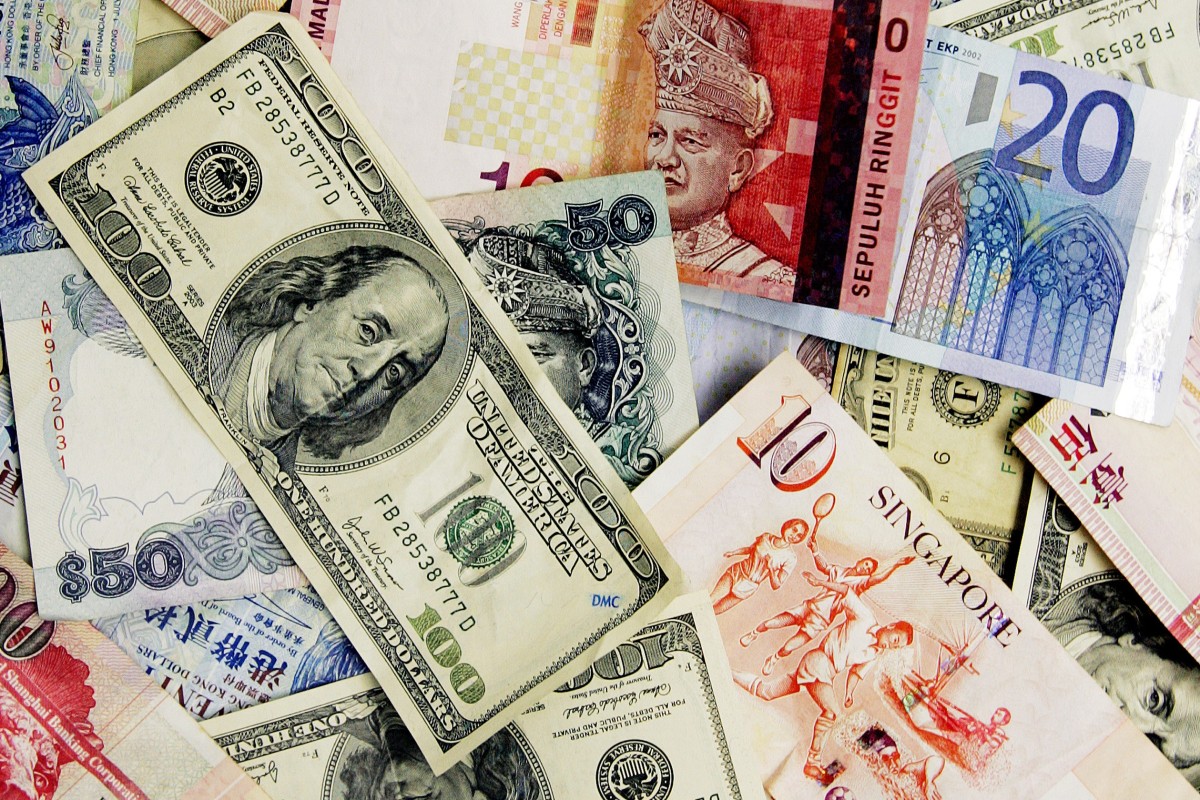
While nine countries – including China, and US treaty allies Japan, Germany and South Korea – were named on the latest list of countries requiring extra attention, none were identified as currency manipulators.
Some regional observers questioned whether the inclusion of the Southeast Asian countries – alongside Italy and Ireland – may have something to do with their close economic relationship with China, which is currently embroiled in a fierce trade and geopolitical stand-off with Washington.
“It defies logic … here in Singapore we are rolling our eyes,” said Song Seng Wun, an economist with CIMB Private Banking.
A total of 21 countries’ currency practices were examined in the report, and Switzerland and India were removed from the monitoring list.
Under the tightened rules used in the latest report, a country can be labelled a currency manipulator if it meets three criteria: it has a current account surplus of 2 per cent of GDP (down from 3 per cent previously); persistently engages in “one-sided” currency intervention; and has a sizeable trade surplus with the US.