Advertisement
Deal or no deal: is Asean’s RCEP trade pact going the way of the TPP?
- The Regional Comprehensive Economic Partnership is envisaged as spanning territories home to 3.5 billion people, with a GDP of US$22.6 trillion
- But after seven years of negotiations, nothing concrete has emerged. Will the impasse finally be broken this year, as promised?
6-MIN READ6-MIN

It’s almost as if there’s a playbook for forging multilateral trade deals that says prolonged procrastination is a key negotiation ritual.
For the fifth straight year, officials from the 10-member Association of Southeast Asian Nations and the bloc’s six key trading partners – India, China, Australia, New Zealand, Japan and South Korea – are insisting that they are in the last-chance saloon to wrap up a deal to make the 16 countries the world’s biggest free-trade zone.
Asean already has free-trade agreements with the six other economies, but the Regional Comprehensive Economic Partnership (RCEP) – spanning territories home to 3.5 billion people, with a GDP of US$22.6 trillion – will equalise the terms of those pacts.
Advertisement
It is also hoped that the deal will lead to tariff cuts for more than 90 per cent of the goods traded among its members.
Advertisement
With the global economy being buffeted by major headwinds from the US-China trade war, Asean’s leaders have sent strong signals that they want a speedy conclusion to the massive trade pact as a means to boost trade volumes amid rising protectionism.
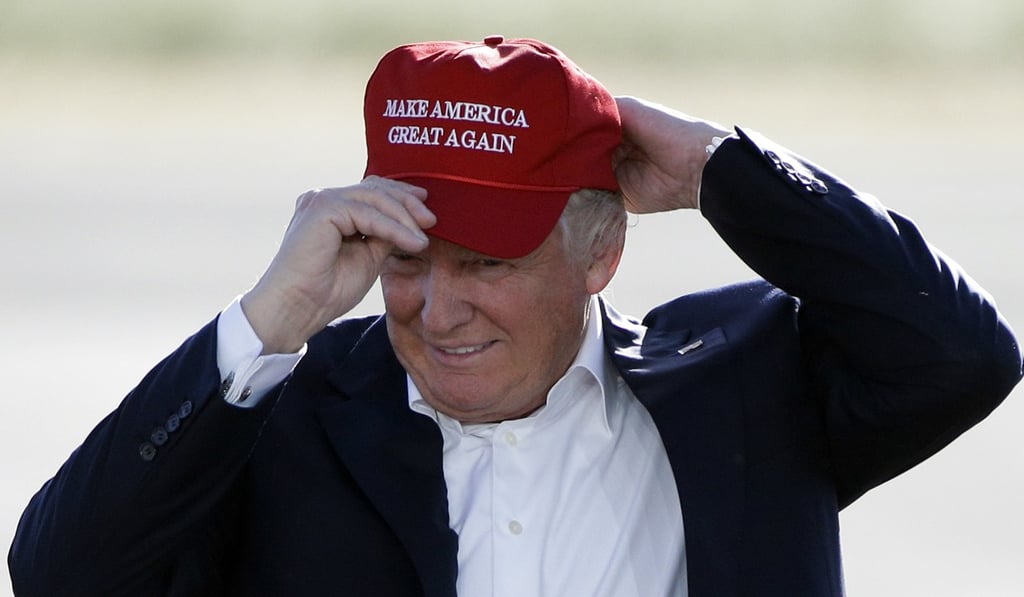
Prominent Malaysian economist Yeah Kim Leng told This Week in Asia that the RCEP was an essential part of Asian countries’ efforts to “counter [US President Donald Trump’s] protectionist stance and tariff battles with China”.
Advertisement
Select Voice
Select Speed
1.00x