Advertisement
How a wave of Chinese money is powering Indian start-ups
- China last year poured US$2.5 billion into firms in India, which is a healthy breeding ground for up-and-coming tech outfits
- Active cooperation between these investors and entrepreneurs holds a multitude of benefits for both sides, according to industry pundits
5-MIN READ5-MIN
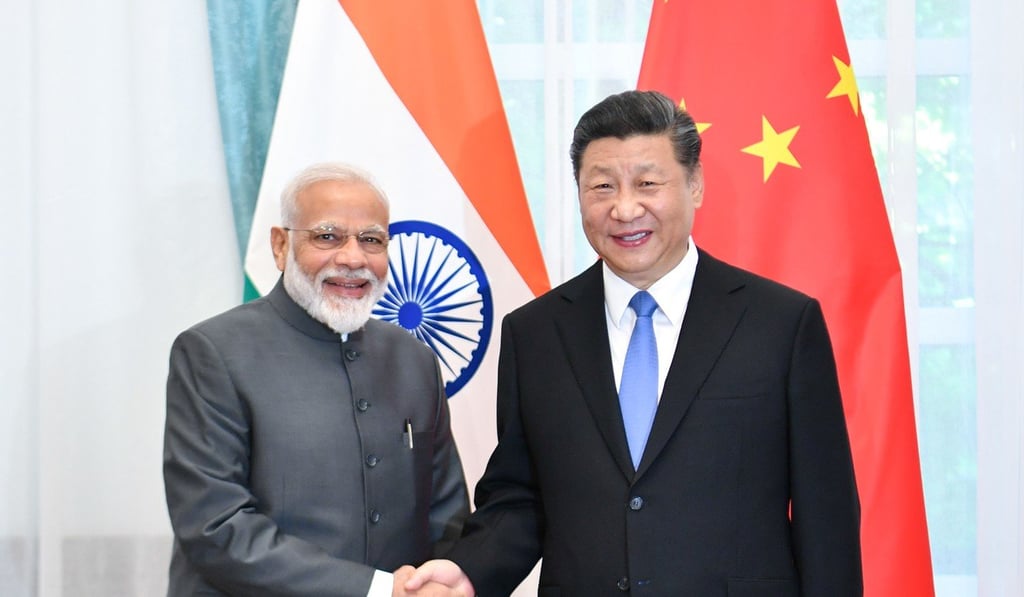
Chinese President Xi Jinping and Indian Prime Minister Narendra Modi look set for another informal summit in October, and a key item on the agenda will be the flow of money between their nations.
Indian start-ups have become a major target for deep-pocketed Chinese investors, who have been looking to emulate their United States counterparts such as Tiger Global and Sequoia Capital that dominate the sector.
On top of this, a slowdown in start-up deals in China has nudged the country’s investors to look beyond their borders, and India’s affordable labour market and strong economic growth provide a healthy breeding ground for young tech outfits.
Led by heavyweights such as Shunwei Capital, Fosun International, Tencent Holdings, Xiaomi and Alibaba Group Holding – which owns the South China Morning Post – Chinese venture capitalists have been injecting funds into a variety of cash-hungry Indian businesses.
For many of these start-ups, the knowledge and technology of Chinese investors act as the backbone of their business
Beneficiaries have included advertising firm Media.net, e-commerce operator Snapdeal, digital payment provider Paytm, online travel firm MakeMyTrip, messaging platform Hike, health tech start-up Practo and news aggregator Dailyhunt.
Advertisement
“For many of these start-ups, the knowledge and technology of Chinese investors act as the backbone of their business, along with the operational expertise of Indians in the domestic market,” said Ntasha B, co-founder of Venture Gurukool, a mentoring platform for start-ups which works closely with Indian diplomatic missions in China.
Advertisement
She added that Chinese investors usually had a hands-on approach and were a bit inflexible, unlike their American counterparts, who gave some elbow room in hiring local teams.
Advertisement
Select Voice
Select Speed
1.00x