The Fed fallacy: why Asia follows US interest rate cut at its own risk
- If regional central banks follow the US Fed in slashing lending rates, going too far, too soon could leave them dangerously exposed
- Economists say better options, like fiscal stimulus and structural reform, are being overlooked, as is the real drag on growth – Trump’s trade war on China

Should it be just the world’s central bankers who are doing all the heavy lifting to stave off the supposedly impending global recession?
In Asia, economic observers say this is a question monetary policy tsars should consider thoroughly as a number of regional central banks get ready for a fresh round of interest rate cuts on the back of the US Federal Reserve’s latest slashing of its benchmark rate – the second such cut in less than three months.
While ultra-low interest rates have hoards of supporters in the financial world, the naysayers want central bankers in emerging Asia to emphasise to political leaders that fiscal stimulus and structural reform are just as important, if not more so, to boost flagging GDPs.
The world’s biggest fund manager Blackrock Inc’s Investment Institute in August said the effectiveness of monetary policy was “almost exhausted”, with some US$17 trillion of bonds – around 30 per cent of total global bonds – now carrying negative yields.
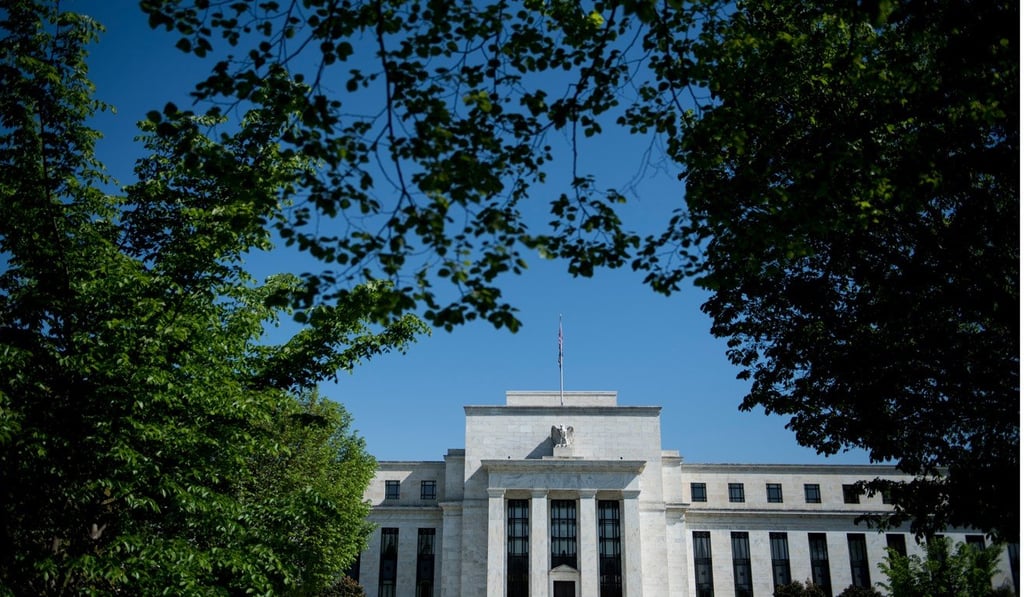
Wednesday’s rate cut, which brought the Fed’s policy interest rate to a target range of 1.75 per cent to 2.0 per cent, follows a similar 25-basis point slashing in July. July’s move marked the first time the US had cut interest rates in a decade, and followed four hikes last year.