AnalysisIgnore US conspiracy theories. Khan needs China-Pakistan Economic Corridor now more than ever
- Work has slowed to a trickle on the China-Pakistan Economic Corridor, a jewel in the crown of Xi Jinping’s Belt and Road Initiative
- Claims of US interference are nonsense; the truth is Khan’s distracted government has realised the project is its best hope amid a tanking economy

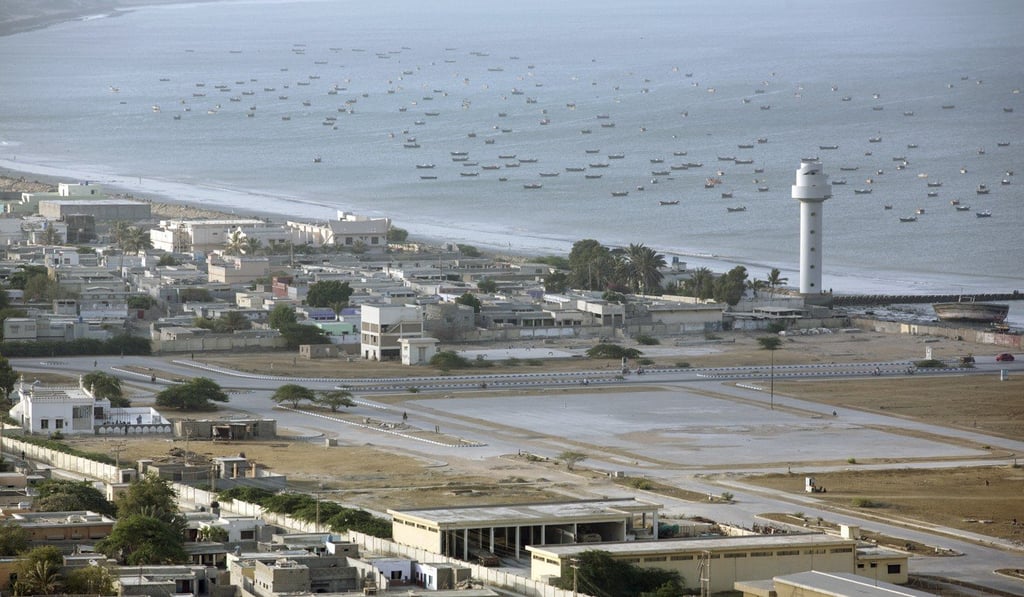
At the end of last month, a small group of graduate school students from around Pakistan gathered at the Arabian Sea port town of Gwadar for a training course. Upon their return to the northeastern city of Lahore, they raved to their friends about the idyllic beaches and striking rock formations near the town’s Chinese-run port.
They assured their friends that the locals were hospitable, despite the low-intensity insurgency that has been waged by separatists in the vast, sparsely populated western province of Balochistan for the last 15 years.
However, they also expressed bewilderment over the lack of construction activity at the maritime hub of the China-Pakistan Economic Corridor. Known as CPEC, the US$50 billion programme launched in 2015 is the showcase of President Xi Jinping’s Belt and Road Initiative to integrate China’s economy with its neighbours’ and developing economies around the world. “It was amazing, but nothing much was happening,” one of the students said in confidence, because she did not want to get into trouble with her university. “They are building the [Crescent Bay] expressway, but the port was practically empty and we didn’t see any other major public works. I found that very strange, considering the hype about CPEC.”
She need not have travelled the nearly 1,900km from Lahore to Gwadar to discover that CPEC has been in the doldrums since former cricketer Imran Khan became Pakistan’s prime minister in August last year.