The US$12 billion reason Mahathir’s Malaysia wants a return to agriculture
- As it grapples with a US$12 billion food import bill, the country is considering a renewed focus on agriculture to boost food security and revenue in tandem
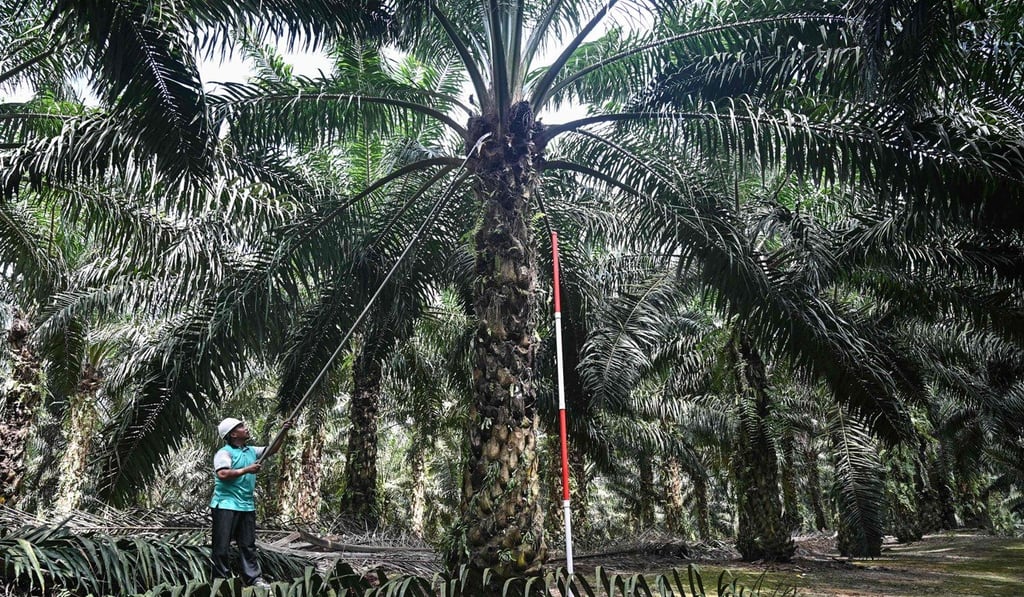
- Malaysia is also looking to move away from its reliance on palm oil, which takes up a large chunk of the sector’s resources

Grappling with a high food import bill – about 50 billion ringgit (US$12.3 billion) in 2019 – the government has been actively encouraging youths to take on agriculture and agro-food as professions, paying closer attention to grants and loans given out to farmers and fishermen. It has also cultivated ‘agropreneurs’ who bring technology into farming.
According to the nation’s Agriculture and Agro-based Industry Minister, Salahuddin Ayub, Malaysia’s food import bill had increased by an annual average of 6.5 per cent, with the likes of cereals, cocoa, vegetables, sugar and meat all brought in.
“If we start planting the right thing, we can reduce our imports. Not only that, we can also increase our exports, create employment and increase income. Once we do this, locals can get fresh produce at a lower price. If there is excess, we can export and bring in foreign money,” Daim, an adviser to the current Mahathir administration, told local media recently.
Malaysia was ranked 28th in the 2019 Global Food Security index, a jump of 20 places from the previous year, which the government attributed to its reduction of dependence on imports by encouraging the diversification of crops and improving fruit exports. A report published last year by the government-linked Khazanah Research Institute said while food access was no longer an issue for most Malaysians, food affordability remained an issue.