Women’s rights in Saudi Arabia: real change or cosmetic reforms?
- Social change in the kingdom has had a positive economic impact, as more women join the workforce
- But true gender equality remains a long way off, with concerns including the male guardianship system and treatment of female rights activists

But Al-Hazzaa, 58, saw change happen in her lifetime – she went on to become a renowned ophthalmologist, as well as one of the first female members of the Shura Council, Saudi Arabia’s formal advisory body. Women from her generation, and her 27-year-old daughter, not only went to school – they are now engineers, architects and lawyers.
“I am hopeful about the future of women in Saudi Arabia because the change is happening on the ground,” Al-Hazzaa told the South China Morning Post.
Overall, the country came in at No 132 of 191, up from No 182 in 2019. Saudi Arabia has cited its recent legislative reforms that enhanced women’s economic participation as the reason for its success, a stance seconded by economist Omar Al-Ubaydli, director of research at the Bahrain Centre for Strategic, International and Energy Studies.
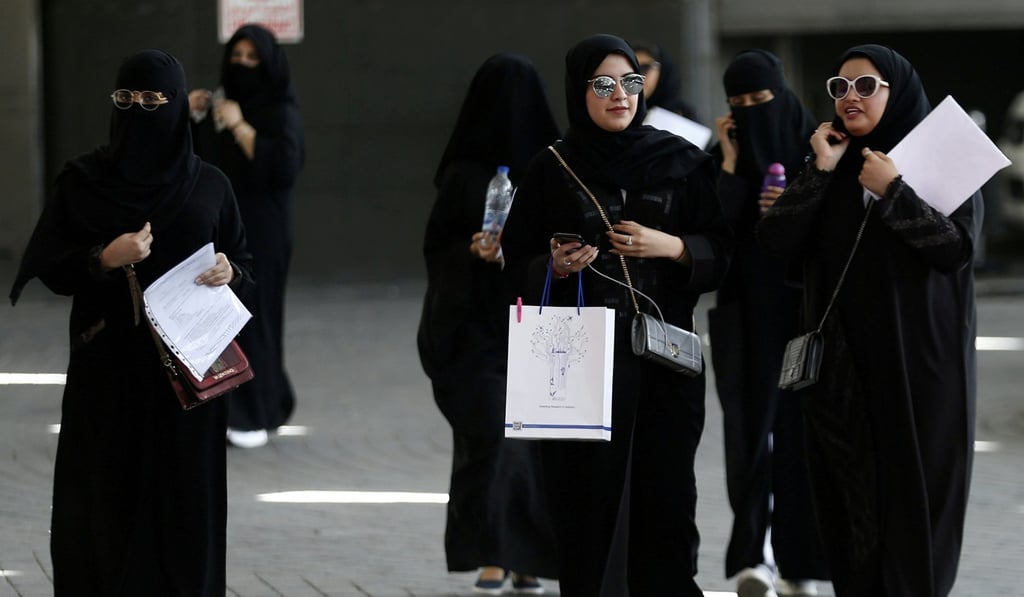
In the past three years, the kingdom has enacted a series of economic and social reforms such as implementation of anti-harassment laws for safer workplaces for women; allowing women to drive alone; subsidising day care centres; prohibiting employers from dismissing a woman during pregnancy and maternity leave; and prohibiting gender-based discrimination in accessing financial services.