Coronavirus: Hong Kong and Singapore are hungry for Australian produce, but why can’t they get it?
- There is also demand from China and South Korea, but the Covid-19 pandemic has sent freight costs soaring while grounding aeroplanes
- Australia’s 85,000 farms produce enough food to feed 75 million people – three times its population – but most of it is not leaving the country

Allen’s company, which produces about 20 per cent of Australia’s avocado crop, now spends about A$15,000 (US$9,100) in transit fees per plane load of 4.5 tonnes – an almost five-fold increase in cost.
“Essentially the extra cost of freight is being absorbed at this end,” said Allen, whose company exports about 10 per cent of its produce. “We are all trying to work out how we can do that better. We certainly grow more food in Australia than we can eat so I think it’s really, really important for us and our customers to be able to continue on.”
The near-collapse of air travel in Australia – largely due to a government ban on foreign arrivals since March 20 – has spawned unprecedented logistical challenges for the country’s agri-food producers, which export more than A$50 billion worth of produce overseas each year, much of it to Asia.
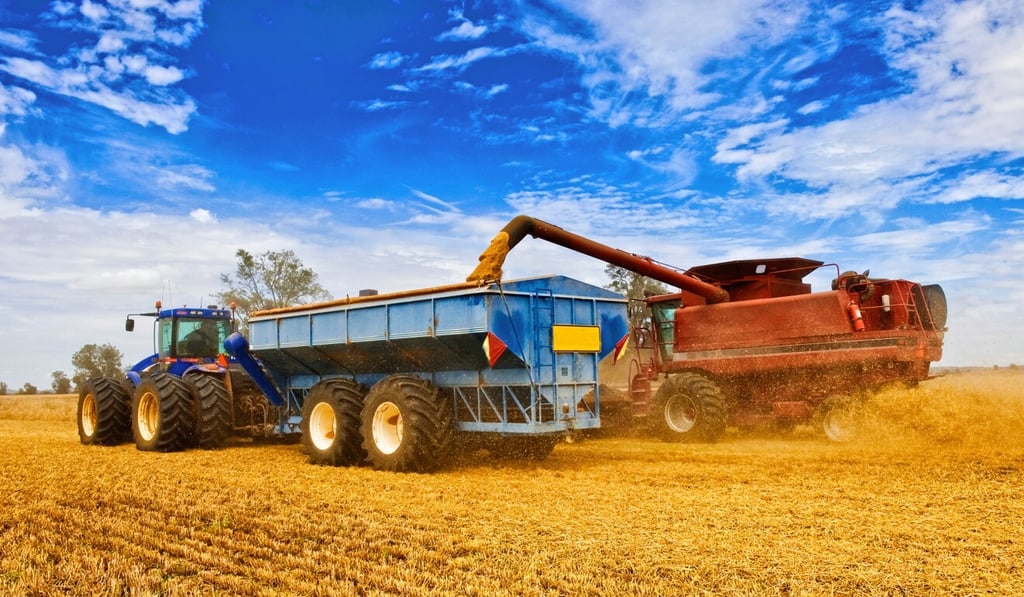
Unlike many of its target markets, which include Singapore, Hong Kong and Japan, Australia is a net exporter of food, sending about 65 per cent of its agricultural produce overseas. Australia’s approximately 85,000 farms produce enough food to feed 75 million people – three times the Australian population – with major exports including beef, wheat, dairy, vegetables and alcoholic drinks.