Coronavirus: Asia-Pacific nations unleash massive stimulus measures as scope of Covid-19’s economic impact grows clear
- From Singapore to Japan, governments are deploying billion-dollar rounds of fiscal stimulus to minimise economic pain for businesses and households
- But analysts say these measures are not without their downsides, and the way they are implemented can also be controversial
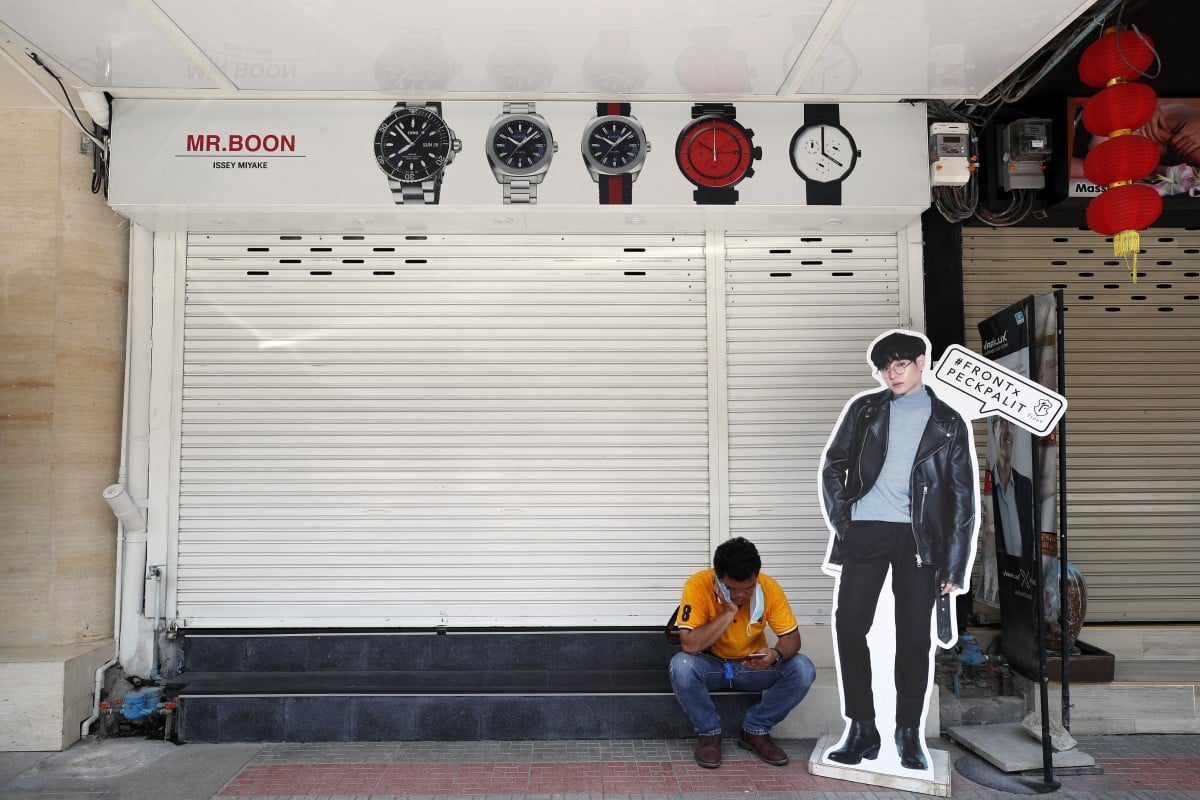
Asia-based economic watchers said while they welcomed the new economic measures, their hope was for regional governments to continue to view the public health crisis, and not the economy, as the biggest priority.
Rajiv Biswas, chief Asia-Pacific economist at IHS Markit, said any amount of fiscal injections, liquidity boosts or interest rate cuts would not have as much impact as successfully containing the outbreak.
“Even with stimulus it’s really just about trying to keep the economy on hold, if you like, and mitigating the negative shock,” Biswas said. “You cannot offset the impact of escalating cases firstly of people being afraid to go out … and secondly of governments putting lockdowns in place.
“The bottom line of fiscal or monetary stimulus is that these are band-aids … the real recovery has to be linked to containing the number of cases until the caseload is very low.”