Advertisement
From Philippines to India, women are leading the coronavirus fight – and still losing out
- Women across Asia are playing a leading role in their communities amid the Covid-19 crisis – and female world leaders have been praised
- But women are also among those most negatively affected by lockdown measures and experts warn the gender gap may be widening
8-MIN READ8-MIN

It was wheat harvest season in India, when Pushpa Devi first heard of the new coronavirus. She started alerting the people in her village, sewing masks and laying down plans to enforce social distancing.
More than 4,600km away, in the Philippines, Lilet Tupas decided that after the government declared a state of calamity in March, she would wear a mask to visit every family living in about 200 houses, and continue to monitor the challenges faced by the children in her community.
Neither Devi nor Tupas were deterred by the pandemic. They are among hundreds of women in Asia who have stepped up at this time of crisis to play a leading role in their communities.
Advertisement
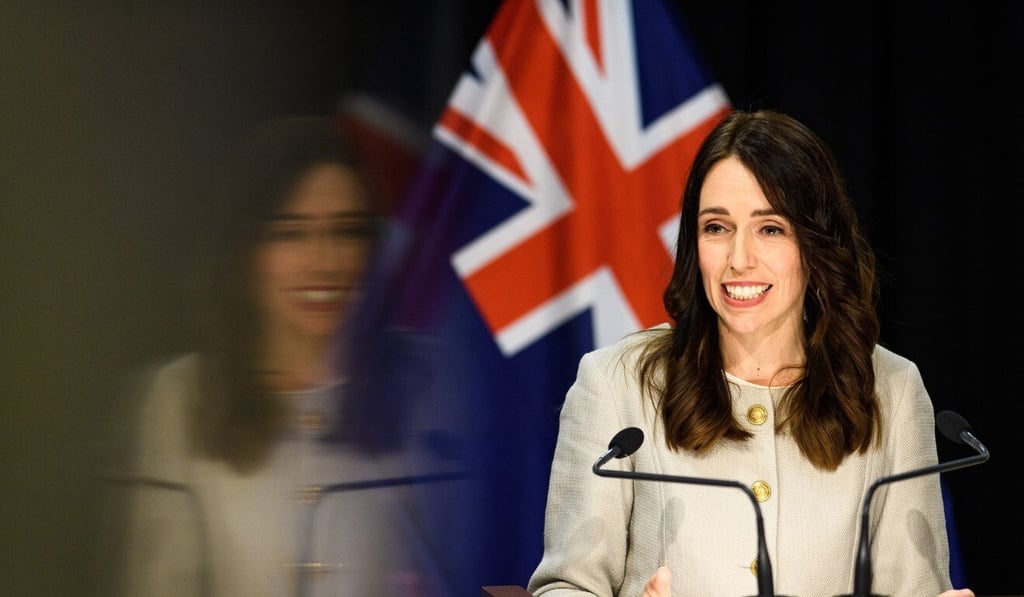
The importance of many ordinary women like them has gone mostly unnoticed in the international press, but women in top political jobs have received praise for their handling of the crisis, including New Zealand’s Prime Minister Jacinda Ardern, Taiwan’s President Tsai Ing-wen, and German Chancellor Angela Merkel.
Advertisement
Experts say that while this may have positively shifted perceptions of women and their leadership abilities, women across the world have also been among the most negatively impacted by lockdown measures. If anything, they say, the gender gap may be widening.
Devi, from Kesroli in Rajasthan, started being active in her 250-household village about four years ago after attending a rights programme run by the non-profit Ibtada, which aims at empowering women and girls in rural Mewat, Rajasthan.
Advertisement
Select Voice
Select Speed
1.00x