South Korea wants to replace Japanese rice, but says politics has nothing to do with it
- Nearly 10 per cent of South Korean paddy fields have been given over to the cultivation of high-end Japanese rice strains in recent years
- But now a government agency is hoping to lure consumers away with two new home-grown varieties it says are tastier and more affordable

Not all Korean consumers see it the same way, however, with some welcoming a domestically developed alternative to the Japanese strains of rice grown in their homeland.
About 60,000 hectares of paddy fields, or some 9 per cent of the total land used for rice cultivation in South Korea in 2018, were given over to the cultivation of high-end Japanese rice strains such as Koshihikari, Akibare and Hiromebore.
But this year, nearly 2,000 hectares are instead being used to grow Headeul and Alchanmi rice – two new Korean varieties that the country’s Rural Development Administration hopes will prove more popular than their Japanese counterparts.
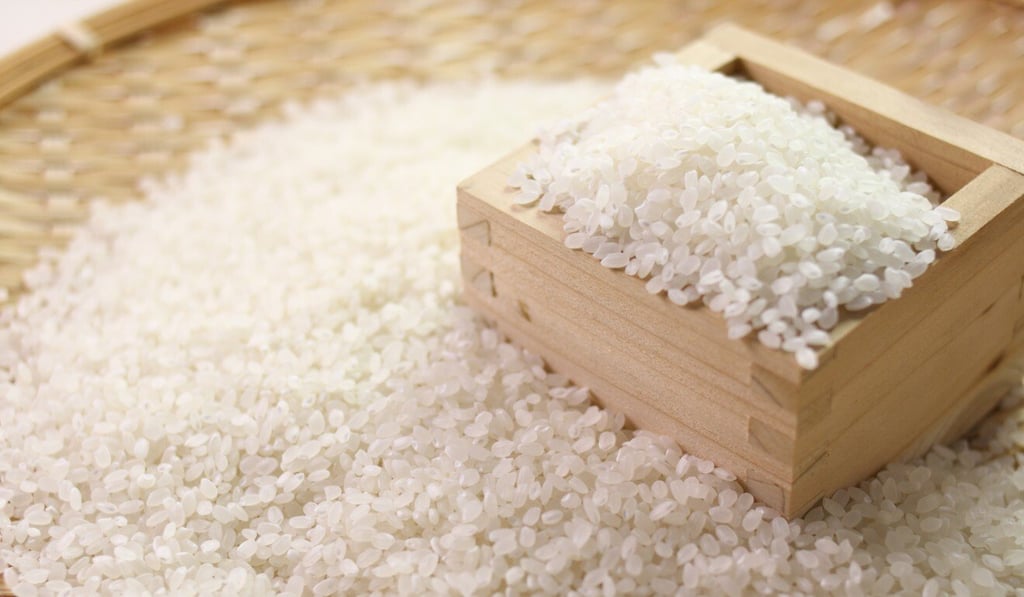
In an interview with The Korea Times newspaper, a senior researcher from the administration described Japanese varieties as “overpriced and overrated”, saying that his team’s task was “to challenge popular perception that Japanese rice is tastier, which is not true”.