Will more Japanese firms exit South Korea as tensions rise after ‘comfort women’ ruling?
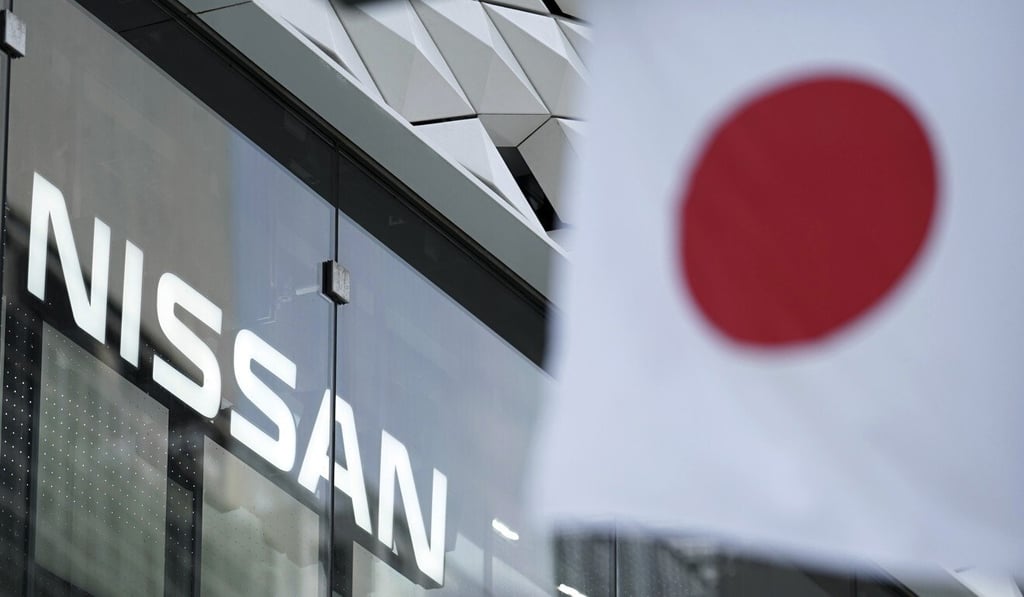
- Nissan and Olympus were among the 45 Japanese companies that left South Korea in the last financial year
- Analysts say Covid-19 and fears of economic retaliation could hasten the outflow and in turn, upend US efforts to unite two staunch allies against China

A court in Daejon last month ruled that the sale of assets seized from Japan’s Mitsubishi Heavy Industries should go ahead to compensate a group of former labourers. Earlier this month, a South Korean court ordered the Japanese government to compensate 12 women forced to work in its wartime brothels. Tokyo maintains the comfort women issue was settled under a 1965 treaty that normalised diplomatic ties, and in a 2015 deal, both sides agreed to “irreversibly” end the dispute.
Japanese Prime Minister Yoshihide Suga on Monday told Parliament Japan would urge South Korea to take appropriate steps on bilateral ties, which are in a “severe” state. South Korean President Moon Jae-in on the same day acknowledged that the 2015 deal was an official agreement but said both sides would need to seek solutions for their different historical disputes, so that these issues would not be a barrier to cooperation.
Stephen Nagy, an associate professor of international relations at Tokyo’s International Christian University, said while Japan had traditionally been the largest provider of direct foreign investment into South Korea for many years, Japanese companies had been “spooked” by the court cases and the hostility towards Tokyo, most clearly seen in the broad boycott of Japanese brands by the South Korean public.