How coronavirus helped India’s mom-and-pop kirana stores beat Amazon and Bigbasket at their own game
- They may be cramped and operate with budgets just a fraction of their big-name competitors, but the hole-in-the-wall stores know their customers, can supply just about anything and deliver the same day
- The pandemic has highlighted the advantages of the personal touch and now e-commerce giants are more interested in partnering with kiranas than competing with them

She knew from experience that her neighbourhood shop Ravi Stores would deliver essentials to her door. All she needed was the Google Pay app and to make a short phone call.
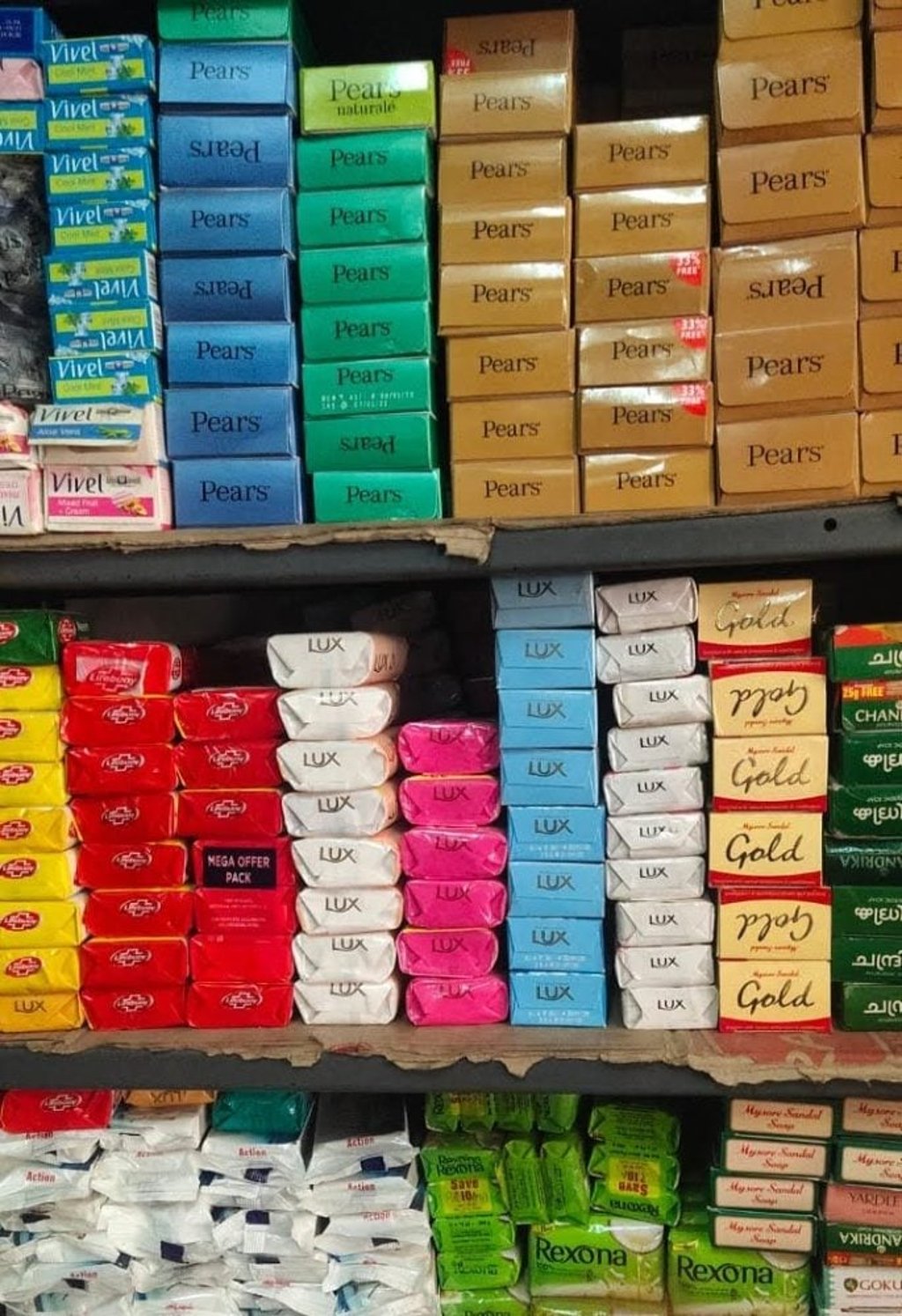
Traditionally, Indians have preferred to buy their groceries on a daily basis, ensuring freshness and avoiding the need for storage. Kiranas offer unprecedented convenience; just a phone call or a slip of paper or even a shout as the customer passes by on the street is enough to place an order. The shopkeepers develop a personal rapport with their customers, who live nearby, and know their needs intimately, stocking their requirements in a small space, efficiently.
“It is an interwoven distribution system that covers every nook and crevice of the country. A bottle or sachet of shampoo put together in Ulhasnagar in Mumbai can find its way to the most distant part of the country, through an intermediate chain that creates life and livelihoods for millions of these entrepreneurs and intermediaries,” said Harish Bijoor, a brand strategy consultant.