Advertisement
Japan
This Week in AsiaEconomics

Japan’s return to nuclear power faces test as new leader Kishida visits Fukushima

  • The new prime minister has committed to restarting reactors mothballed since the 2011 meltdown, but public opposition and his own upbringing in Hiroshima may test his resolve
  • Amid a global power crunch, the business lobby and several of Kishida’s ministers argue that nuclear is the only way to secure Japan’s power supplies and meet its carbon targets. A fully green alternative could be 30 years away

Reading Time:5 minutes
Why you can trust SCMP
Tanks at the crippled Fukushima Daiichi nuclear power plant in Japan. Photo: Kyodo
Julian Ryall
As he observes the twisted remains of three nuclear reactors and row upon row of steel tanks holding an estimated 1.25 million tons of highly radioactive water at the Fukushima nuclear plant on Sunday October 17, Japan’s new leader will be conflicted.
Prime Minister Fumio Kishida has said he remains committed to atomic energy and intends to restart plants that have been mothballed since the magnitude-9 earthquake and tsunami triggered the disaster at Fukushima in March 2011 – but there are many who feel he will have a heavy heart over that decision when he pays his first visit to the crippled plant.
On Monday, in his first question-and-answer session in the Diet since being elected head of the ruling Liberal Democratic Party in late September and subsequently being confirmed as prime minister, Kishida indicated that he would be sticking to the policies of his two immediate predecessors as prime minister, Yoshihide Suga and Shinzo Abe.
Advertisement

“It is crucial that we restart nuclear plants,” Kishida said in response to a question from an opposition politician, adding that those plants that met stringent new safety standards imposed in the aftermath of Fukushima were a key component of the government’s commitment to reaching carbon neutrality by 2050.
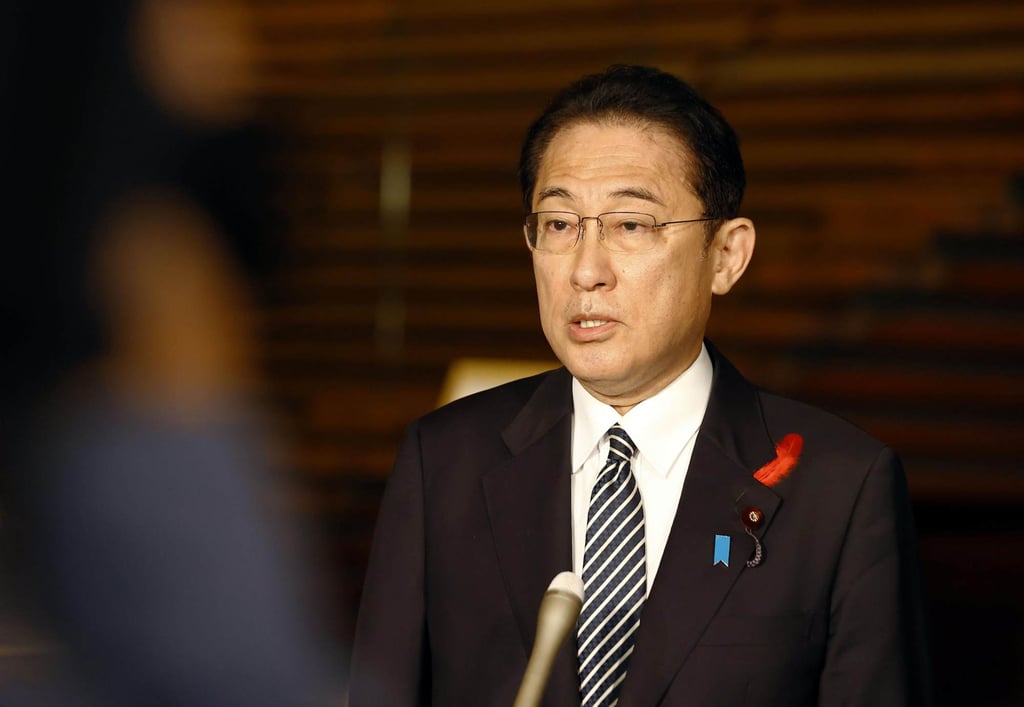
Japanese Prime Minister Fumio Kishida. Photo: Kyodo

Prior to 2011, 54 nuclear reactors were generating 30 per cent of the nation’s energy and there was a plan to raise that to 40 per cent as part of the national strategic priority. Twenty-four older reactors that failed to meet new safety standards are being permanently decommissioned, but many more have been certified to resume operations. A mere nine reactors at five plants have started generating electricity, however, due to the opposition of people living close to the facilities and local governments.

Advertisement
Advertisement
Select Voice
Choose your listening speed
Get through articles 2x faster
1.25x
250 WPM
Slow
Average
Fast
1.25x