Japan Airlines uses WeChat to sell udon, J-beauty to Chinese consumers hungry for high-end Japanese products
- JAL Youxuan connects Chinese consumers with Japanese firms making cosmetics and other items they used to buy as souvenirs before the pandemic shut borders
- The scheme allows Japan Airlines to make use of idle aircraft, while promoting niche Japanese brands that would not otherwise have the resources to enter the Chinese market

For the past two years, Yusuke Nakagawa’s Japanese herbal tea company has been reeling from the devastation of international tourism, a sector the southern prefecture of Okinawa relies on.
Around 9.6 million Chinese visitors landed in Japan in 2019, the year before the global pandemic started to wreak havoc throughout the global travel industry. That figure was a record high for a single year and accounted for fully one-third of all foreign tourists visiting Japan.
“International visitors to Okinawa were hugely important to the economy of the prefecture before the coronavirus outbreak, in particular arrivals from China, Taiwan and Hong Kong. Things have been very difficult for the brand and the travel industry in Okinawa in general for the last two years,” said Nakagawa, the president and CEO of S-Life Co, Ltd, which produces the Okinawa Herb Garden range of herbal teas and gift sets.

But a lifeline recently appeared for the firm, as Japan Airlines (JAL) launches a new e-commerce channel on WeChat, the social media app owned by Chinese telecoms giant Tencent, to connect Chinese consumers with high-end, niche products that were popular with tourists before borders shut.
“I was pleased when JAL contacted me about this plan,” Nakagawa said. “It’s clear that JAL is having its own problems and is looking for new business opportunities.”
Japan’s borders remain closed to all but Japanese nationals and foreigners with permanent residency, although the government has announced it will gradually open up to more students and businesspeople from next month. Demand for Japanese products and foodstuffs remains high with Chinese consumers, however.
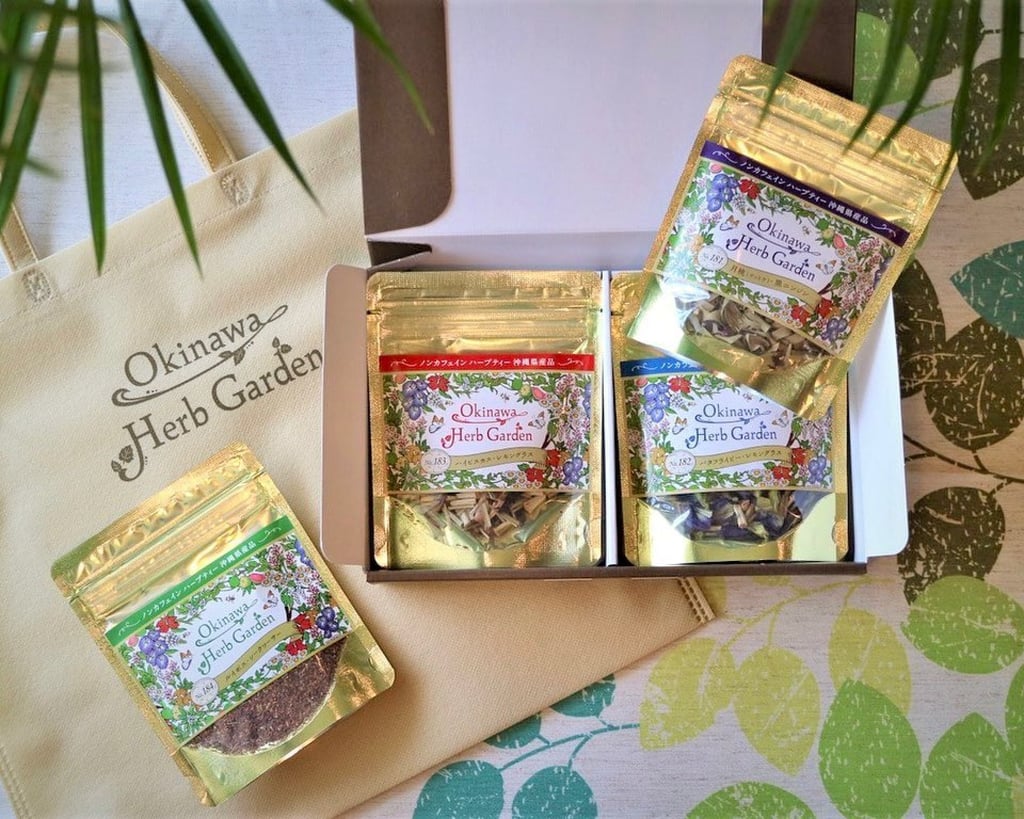
On the new JAL Youxuan channel, Chinese consumers can access a range of items offered by beauty brands, artisans, and niche food manufacturers including specialist “udon” noodle-makers and an agricultural cooperative in the Hokkaido town of Furano selling vegetable-based sauces.