Sri Lanka prays for rain as it runs out of fossil fuels to generate power
- Hydropower can typically meet about 40 per cent of the island nation’s electricity needs, but a dry spell has caused this to drop to about 20 per cent
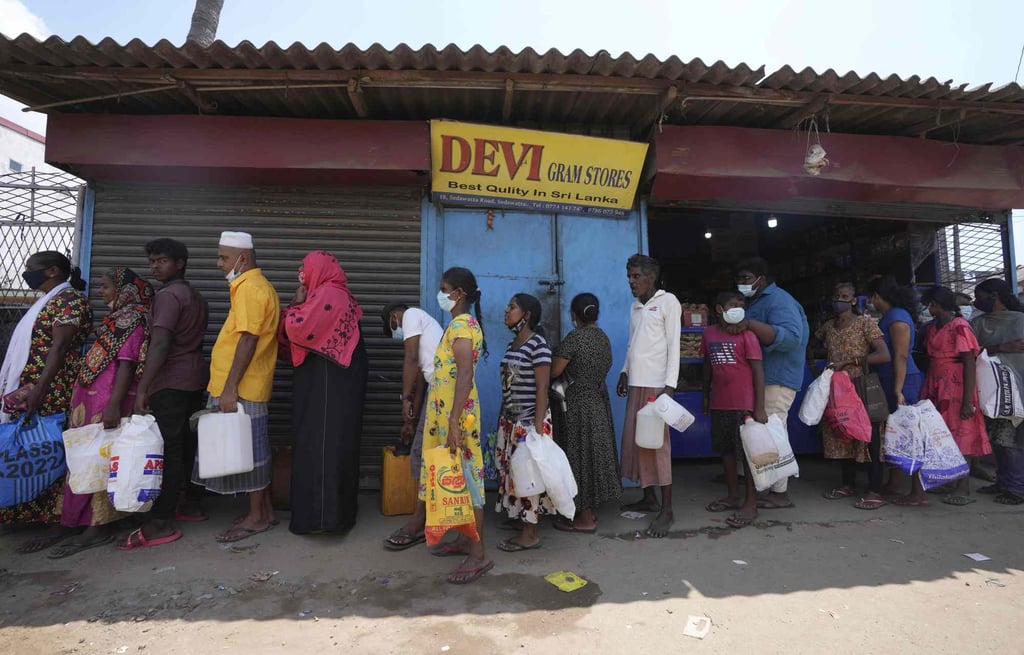
- Cash-strapped Sri Lanka is running out of foreign currency to pay for fuel and other imports, which has led to hours-long outages as power plants shut down

Hydropower could well be the medium-term solution to the country’s hugely inconveniencing power cuts, which lasted for as long as 13 hours by the final weeks of March.
With a population of 22 million people, the island nation’s daily electricity demand is about 4,000 gigawatt-hours per day, but the Ceylon Electricity Board (CEB) has been unable to maintain this level of output since January.
The reasons for this supply deficit are complex – ranging from a drastic reduction in hydropower generation during the dry season, to the country’s slow shift towards other forms of renewable energy. It has only been worsened by the foreign currency crisis, and high prices of oil and coal in the global markets.
Following a nationwide power outage on December 3 last year – believed to be “sabotage” on the part of CEB employees for reasons unrelated to the current crisis – Sri Lanka’s largest power plant at Norochcholai had to shut down for nearly six weeks.
This resulted in some 300 megawatt-hours of daily generating capacity being lost, a CEB source who wished to remain anonymous told This Week in Asia. “And this loss had to be substituted with hydropower. Once the hydropower capacity fell low, thermal energy generated via fuel had to fill in this gap,” the source said.