Indonesian palm oil export ban could ‘lead to unrest’ as food inflation hits Asia, Africa
- The ban comes at a time when the exports of all other major oils are globally under pressure, including sunflower oil amid Russia’s invasion of Ukraine
- As cooking oil prices soar and consumer power declines, one analyst warns of a heightened risk of ‘social unrest and pressures for political change’, as seen in Sri Lanka
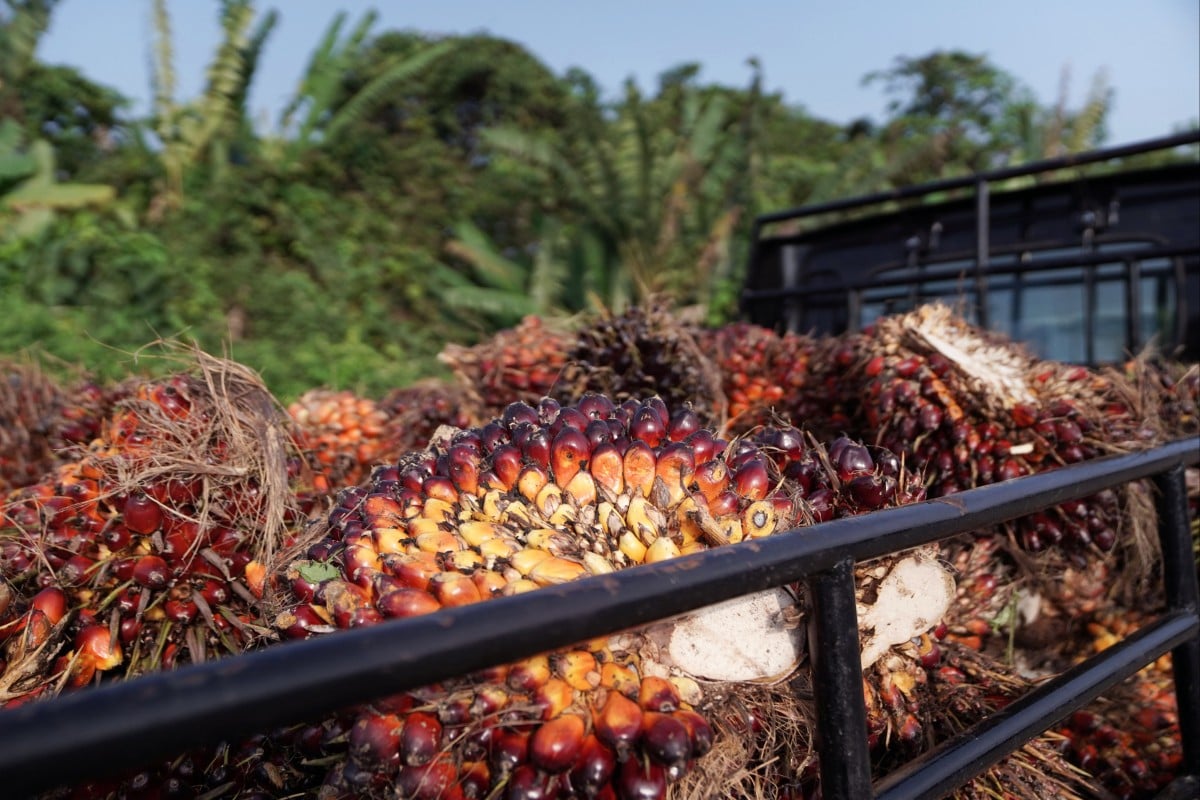
Indonesia’s decision to ban palm oil exports has sent the commodity’s price soaring, triggering warnings it would worsen food inflation, cut spending power of consumers and lead to social unrest.
Indonesia is the world’s largest exporter of vegetable oils, with a share in the region of 35 per cent of the total of all oils, followed by Malaysia with 20 per cent, said James Fry, a commodities expert and chairman of the agribusiness consultancy LMC International.
“Indonesia’s decision affects not only palm oil availability but vegetable oils worldwide,” said Fry. “You can do the sums. Each month without Indonesian exports is equivalent to taking 3 per cent out of world vegetable oil export tonnages.”
Nobody can compensate for the loss of Indonesian palm oil. Every country is going to suffer
The ban comes at a time when the export tonnages of all other major oils are under pressure – soybean oil, due to droughts in South America; rapeseed oil due to disastrous crops in Canada; and sunflower oil because of Russia’s invasion of Ukraine and subsequent sanctions against Moscow, according to Fry.
“These oils cannot make up for the loss of Indonesian exports,” Fry said.
On Monday, palm oil futures for July delivery rose as much as 6 per cent to 6,738 ringgit (US$1,550) a ton in Kuala Lumpur, the highest since March 11, reported Bloomberg. Indonesia on Friday said the shipment halt would start from April 28 and last until the government deemed the domestic shortage over.