Expats in Singapore opt for co-living as ‘red hot’ rents rise by up to 40 per cent
- A ‘massive reduction’ in available properties partly fuelled by an influx of foreign buyers and expats has lit a fire under Singapore’s rental market
- Co-living is more flexible and cost-effective than renting, insiders and tenants say – though for some the savings don’t outweigh the downsides

She most recently shared a three-bedroom apartment with her husband and a flatmate until the lease expired in September last year, sending her on a frantic house-hunt.
“My husband and I decided to look for a one-bedroom condominium [unit] but it was not easy to find an affordable place at the location we wanted,” the 33-year-old said.
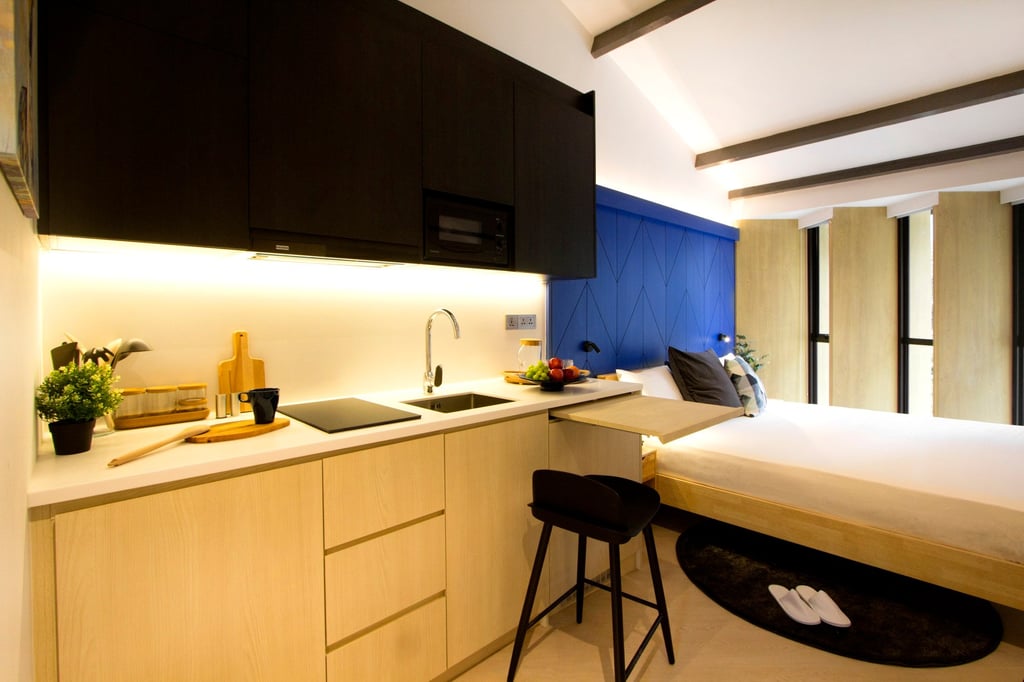
Convenience and location weren’t the only factors, however. Staying at Coliwoo, the co-living space, sets Nguyen and her husband back S$1,800 (US$1,300) per month. A one-bedroom unfurnished flat in Kovan, a neighbourhood on the city’s fringes, costs more than S$2,000 in monthly rent.
“We were not sure whether co-living was really for us so we signed a six-month lease at first,” said Nguyen, who has since extended her contract by more than a year. “It’s quite a comfortable lifestyle. My husband doesn’t want to go back to renting homes from landlords any more.”
More expatriates like Nguyen are now ditching traditional long-term residential leases as rental prices in Singapore skyrocket. They are instead gravitating towards co-living businesses, which have reported a strong pickup in demand, partly also driven by the return of tourists and corporate travellers since the city state relaxed its border measures earlier this year.