Advertisement
Asean
This Week in AsiaEconomics

Malaysia PM Ismail Sabri Yaakob’s ‘inflation jihad’ plan under fire after latest interest rate increase

  • Critics accuse the administration of not doing enough to fight inflation, which rose by 4.4 per cent on the year in July
  • Bank Negara Malaysia raised its key policy rate for a third time, in line with its path of policy normalisation after two years of low rates

3-MIN READ3-MIN
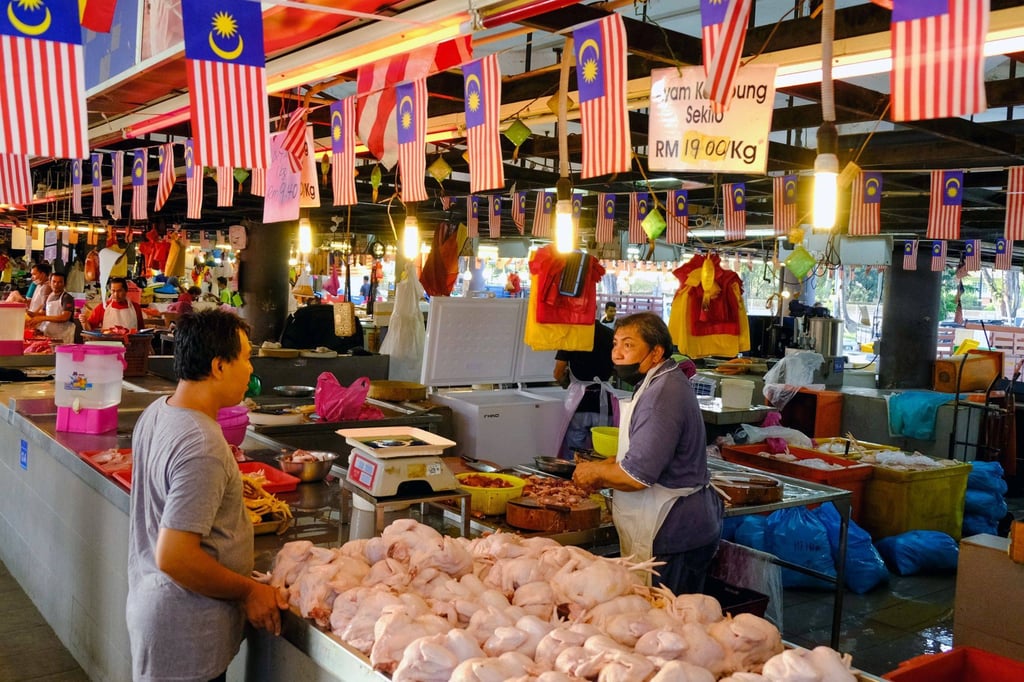
Opposition say that the latest hike to the policy rate was also aimed at helping keep a lid on elevated inflation - an indication that the government has failed to rein in upwards pressure on living costs and food prices. Photo: AFP
Joseph Sipalan
Critics have thrown a fresh round of salvoes at Malaysian Prime Minister Ismail Sabri Yaakob’s administration, which they claim has not done enough to contain inflation after the central bank announced its third straight hike to its key policy rate earlier this week.
Bank Negara Malaysia (BNM) on Thursday announced a 25 basis point rise to its overnight policy rate (OPR), as widely forecast, on expectations of continued economic growth propped up by private sector spending, positive labour market conditions and income prospects and declining unemployment and underemployment.
The hike raises the key rate to 2.5 per cent, sticking to the central bank’s path of policy normalisation after over two years of low rates to help cushion the blow from the twin economic and health crises caused by the Covid-19 pandemic.
The hike raises the key rate to 2.5 per cent, sticking to the central bank’s path of policy normalisation after over two years of low rates to help cushion the blow from the twin economic and health crises caused by the Covid-19 pandemic. Photo: Bloomberg

But the opposition say that the latest hike to the policy rate was also aimed at helping keep a lid on elevated inflation – an indication that the government has failed to rein in upwards pressure on living costs and food prices.

Advertisement

Lim Guan Eng, the chairman of the Democratic Action Party (DAP), said the decision to raise the OPR could end up slowing the pace of economic growth and pandemic recovery, besides increasing borrowing costs for individuals and businesses.

Food prices drove inflation up by 4.4 per cent year on year in July, according to government data, higher than the 3.4 per cent annual rise in June despite attempts by a ‘Jihad on Inflation’ special cabinet committee to keep costs down.

Advertisement

“Since BNM is now relying on the monetary tool of raising interest rate to fight inflation there is no need nor necessity to retain a ‘Jihad on Inflation’ special cabinet committee,” Lim said in a statement on Friday.
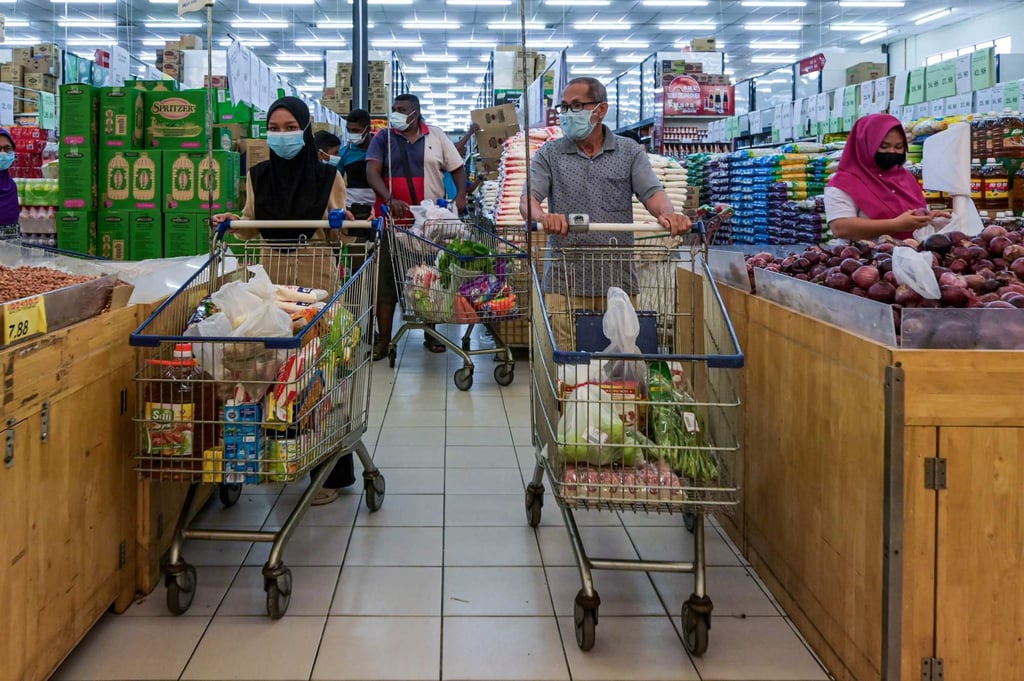
Food prices drove inflation up by 4.4 per cent year on year in July, according to government data. Photo: AFP
Advertisement
Select Voice
Select Speed
1.00x