Advertisement
Xi Jinping, Joko Widodo to test Indonesia’s China-made high-speed train after G20 meeting in Bali
- Jakarta-Bandung high-speed railway worth US$7.8 billion is a joint venture between an Indonesian consortium of state-owned companies and China Railway
- Project has been plagued by delays and cost overruns, and is not expected to be operational until June 2023
2-MIN READ2-MIN
15

Indonesian President Joko Widodo and his Chinese counterpart Xi Jinping could take a ride together for a test run of the Jakarta-Bandung high-speed railway next month.
Widodo plans to invite Xi to travel on the China-built train connecting the capital with the West Java city after taking part in the Bali G20 summit on November 15-16, Indonesian Transport Minister Budi Karya Sumadi told Singapore’s The Straits Times.
With a maximum speed of 350kph, the bullet train will shorten the 142km journey between the cities to about 40 minutes from 3.5 hours by the existing rail network.
Advertisement
But Budi said the two leaders won’t be experiencing the thrill of a high-speed rail when they go on the 15km trip in Bandung as the car will only move at 60kmh.
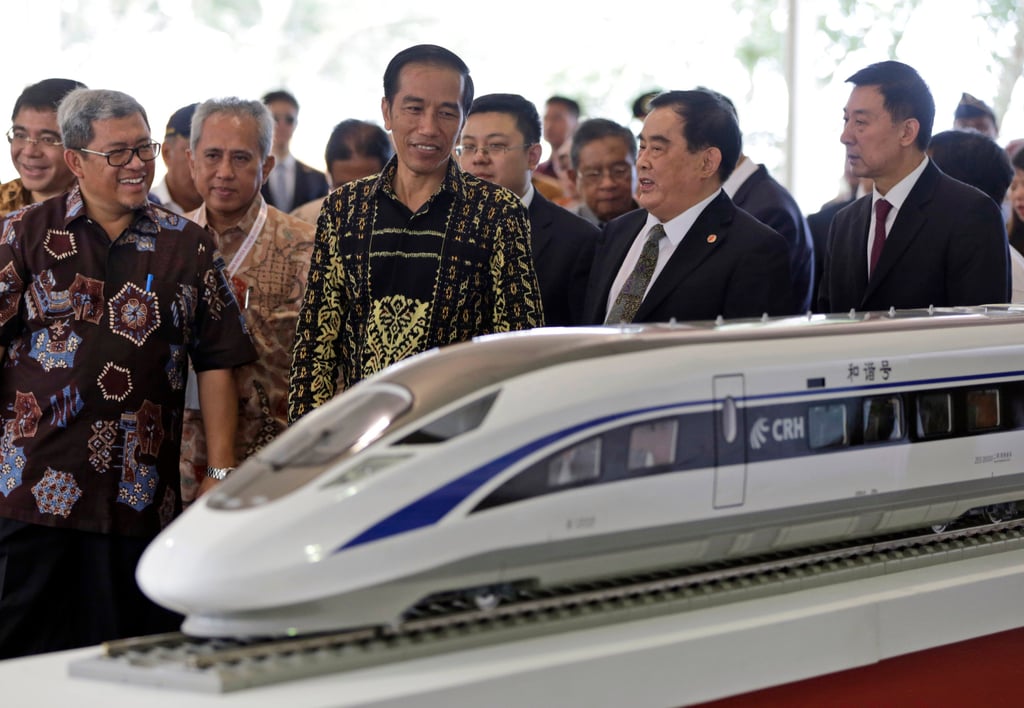
“We will not yet run on full speed – we have not reached that stage yet in the development,” he said.
Advertisement
In August, China delivered the first set of bullet trains for the multibillion dollar project that started in 2015. The project is the first of its kind in Southeast Asia. The facility, built as part of the Belt and Road Initiative, Beijing’s ambitious plan to boost trade and connectivity, has been plagued by delays and cost overruns. The rail network is expected to be operational in June 2023.
Advertisement
Select Voice
Select Speed
1.00x