ExplainerHow Singapore and Hong Kong’s property cooling measures differ
- Recent measures in Singapore aim to slow pace of price increase for resale HDB flats, reduce competition from private homeowners
- Hong Kong government has not eased cooling measures despite slight drop in prices, concerns homeowners will be pushed into negative equity
The Hong Kong government has implemented cooling measures for more than a decade, and Financial Secretary Paul Chan in August said there was “no plan or intention” for them to go anywhere.
Singapore and Hong Kong, however, have two very different property market environments which inform how and when their governments choose to make interventionist moves to moderate housing demand.
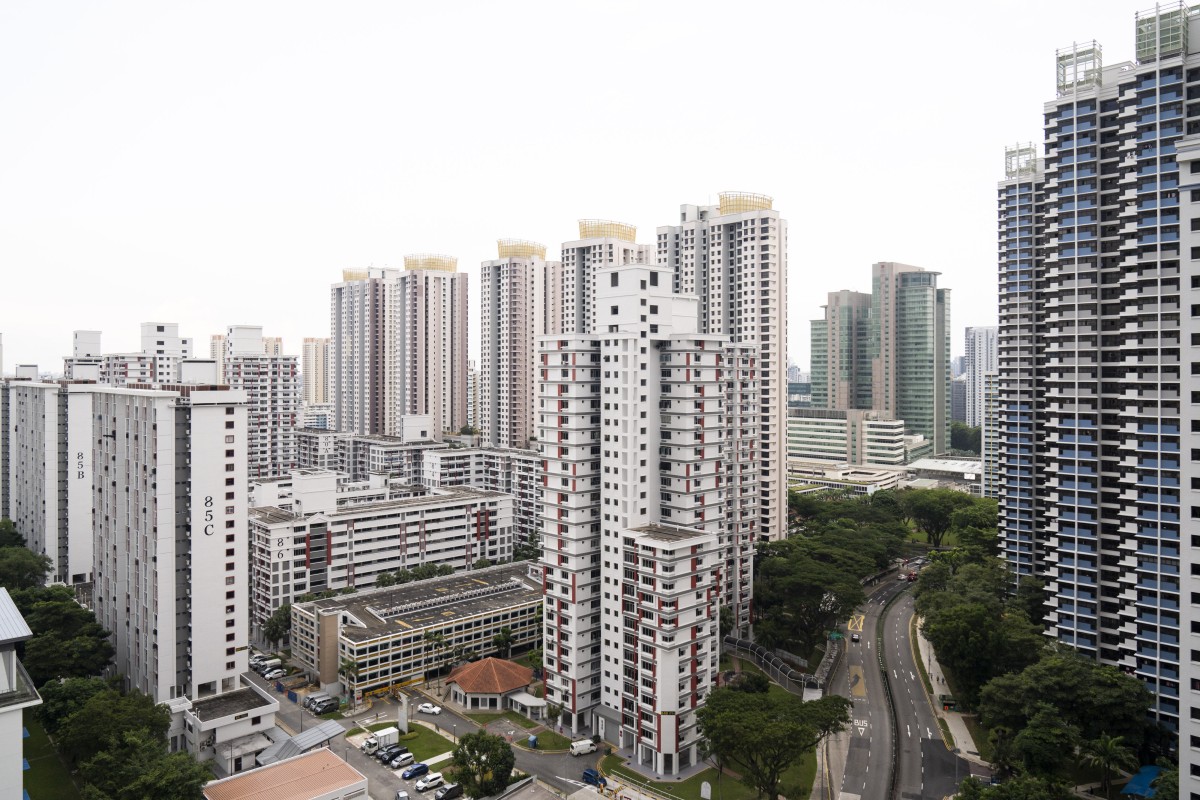
More than 80 per cent of Singapore’s resident population live in public housing developed by the Housing and Development Board (HDB), and about 90 per cent of those people own their home.
In contrast, just about 45 per cent of Hong Kong’s population live in public rental homes. The city has long faced a housing crunch, with residents facing a wait of up to six years for public flats.
According to Christine Li, head of research for the Asia-Pacific region at Knight Frank, what sets Singapore and Hong Kong apart is that both places work on a free-market principle without a capital gains tax, meaning most international buyers can also buy and sell in the market.