Advertisement
South Asia braces for more inflation woes as China reopens, eases zero-Covid policy
- China’s reopening is expected to deepen inflation woes, with a surge in demand driving up prices across South Asia, one of the world’s poorest regions
- Many analysts believe demand for essential commodities will pick up once Covid-19 infections subside in China, potentially starting in March
3-MIN READ3-MIN
3

When Russia attacked Ukraine last year, among the worst hit by the tremors of the conflict outside the immediate war zone were tens of millions of South Asians, whose children went hungry and vehicles ran out of fuel because of soaring commodity prices.
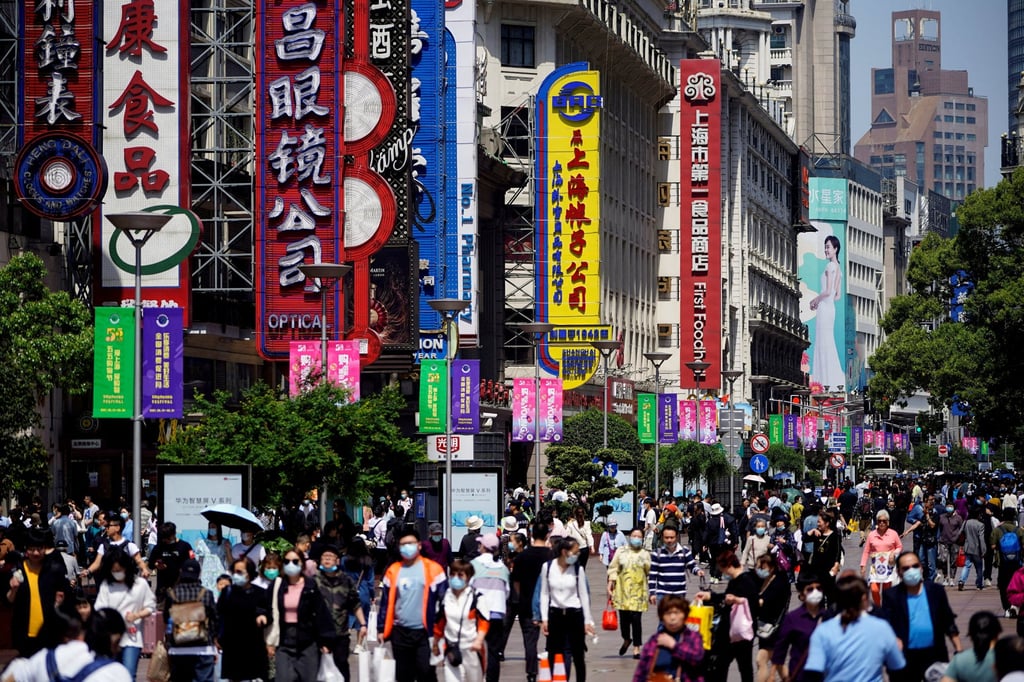
Now, as China’s consumer market reopens following the easing of its pandemic restrictions, that misery is forecast to deepen with a surge in demand driving up prices across one of the world’s poorest regions, which includes smaller economies such as Nepal, Bangladesh, Pakistan and Sri Lanka.
“Once China comes on stream substantially – and not even fully – the consumption of all commodities will go up,” says Biswajit Dhar, professor at New Delhi’s prestigious Jawaharlal Nehru University. “If this happens, we could be pushed into the [inflationary] situation we are trying to get out of.”
Prices of Malaysian palm oil futures hit a near four-week high towards the end of last year and soybean futures jumped to the highest in six months, both on expectations of greater demand from China when it abruptly ended its Covid-19 restrictions in December.
Advertisement
Wheat values have also firmed amid concerns of crop damage in the US while Brent crude oil prices ended the year with a 10 per cent gain at US$80 a barrel – although prices have cooled from the 15-year high of US$139 a barrel in the immediate weeks after Russia’s invasion of Ukraine.
Much depends on how China copes with an unconstrained virus wave across a patchily vaccinated public, who were broadly sheltered from the worst of the pandemic since the first wave ripped through Wuhan in early 2020, but have since been hitched to an economic slowdown.
Advertisement
Many analysts believe that the demand for essential commodities will pick up once infections subside in China, potentially starting in March.
Advertisement
Select Voice
Select Speed
1.00x