South Asia sweats as climate change fuels food risks, threatening ‘disaster’ for second year in a row
- Fluctuating weather has affected grain output across country, leading to reduced exports to nations waiting for supplies
- A looming drought could see India keep its wheat export ban in place, posing fresh risks for a region already suffering from a food crisis

Farmer Raghbir Singh wistfully scans his ripening field of wheat every day in the northern Indian state of Haryana, worried by an unseasonably warm spell that is threatening to shrivel up his crop for a second year in a row.
“We are keeping our fingers crossed that the temperature won’t shoot up before harvest,” Singh said. “It was a disaster for us last year.”
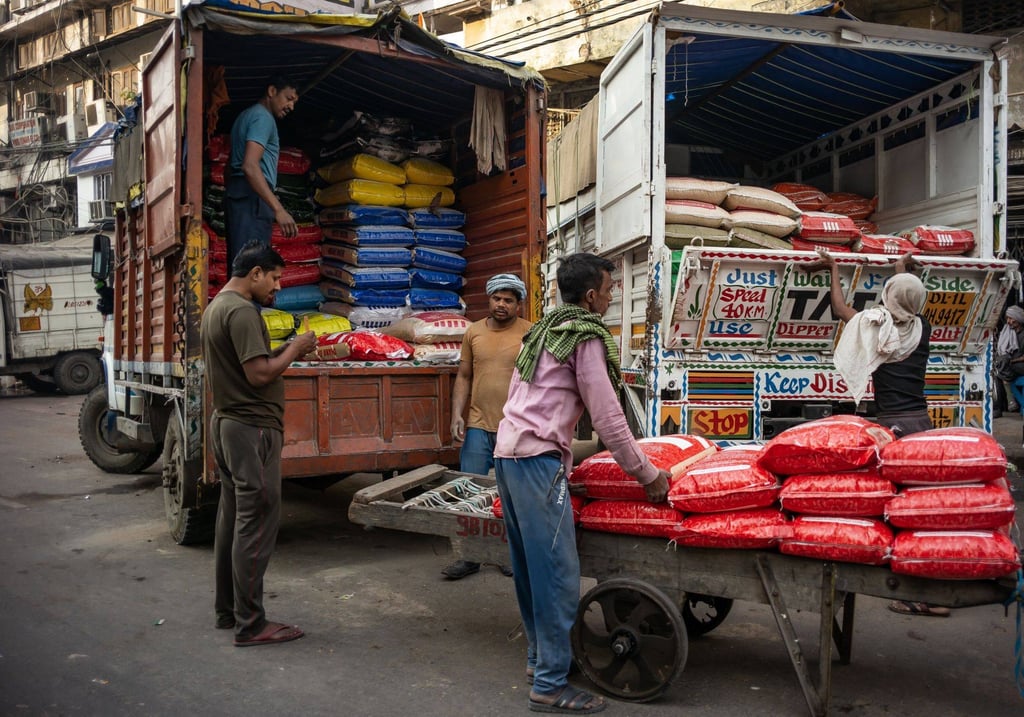
India is facing more weather-related uncertainty, with the country’s meteorological department warning that higher temperatures could affect wheat crops in the states of Punjab and Haryana, both major producers.
A higher chance of less rainfall during the June to September monsoon season – which is crucial for rice production – could also affect output from the world’s top rice exporter.
According to Climate Trends, a consultancy, there is a 60 per cent probability of a drought in India this year because of a weather phenomenon called El Niño that heats up the Pacific Ocean. The research firm further said the country had a 30 per cent chance of receiving below-normal levels of rain and only a 10 per cent chance of normal precipitation.
Looming drought
“If an El Niño state does emerge by summer, then we are more than likely to see a deficit monsoon,” said Raghu Murtugudde, emeritus professor at the University of Maryland.