Japanese Wagyu producers hope to beef up exports as locals shy away from red meat
- An association of beef producers, wholesalers, and the city government of Matsusaka in Mie Prefecture plan to raise the quota of cattle exports
- Domestic sales are declining as health concerns prompt local consumers to eat less red meat and meat with a high fat content

The Nikkei newspaper said the beef is expected to prove popular with wealthy consumers in the Middle East, Southeast Asia and the US, with Kobe and Omi beef already attracting a firm following among connoisseurs.
The first promotional event to spearhead the campaign was held in Dubai on Wednesday, with “yakiniku” grilled meat and “shabu-shabu” hotpot dishes served to members of the royal family, local government officials, media and social influencers. To meet local requirements, the cow was slaughtered at a halal-certified slaughterhouse.
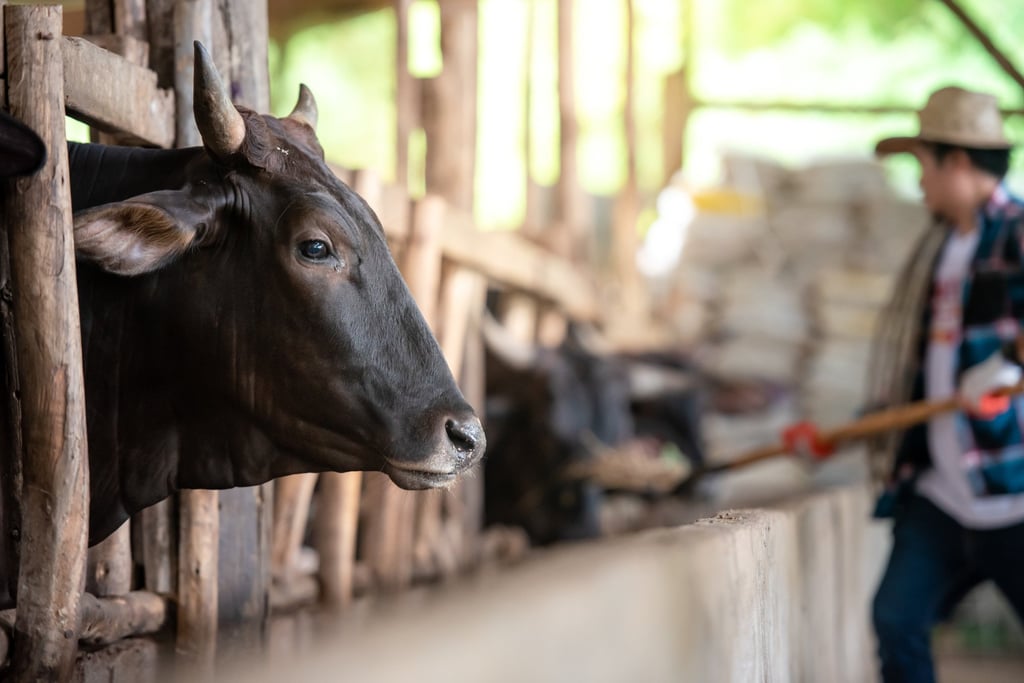
Matsusaka beef comes from Japanese Black cattle, one of six indigenous cattle breeds, and is reared under strict conditions in a limited geographical area in Mie Prefecture, where calves must be registered as purebred through the Matsusaka Beef Management System. The cows take about three years to mature, with only virgin female cows sold for beef. Just 8,000 cattle are processed for consumption every year.
The meat is prized for its high fat content, extensive marbling, rich flavour and tenderness, said an official of the Matsusaka government office overseeing the local industry.