As Singapore food and rent costs soar, can hawkers bear the ‘pain’ for much longer?
- Researchers found that hawkers who tried to keep going often sought to ‘keep their prices the same’ despite financial pressures
- Study comes amid debate on how Singapore will navigate higher cost of living, driven by factors like inflation, pandemic, supply chain disruptions, war in Ukraine

“The pain of having to deal with the inflation of both rental and ingredient prices was felt not only by stall owners who had to close their businesses, but also by stall owners whose businesses were still in operation,” the report stated.
Researchers for The Makan Index 2.0 study, carried out by the government-linked Institute of Policy Studies, found that owners who tried to keep going “often sought to justify the prices of their food” and “took pride in keeping their prices the same despite the inflationary pressures threatening many food stall owners’ income and job security”.
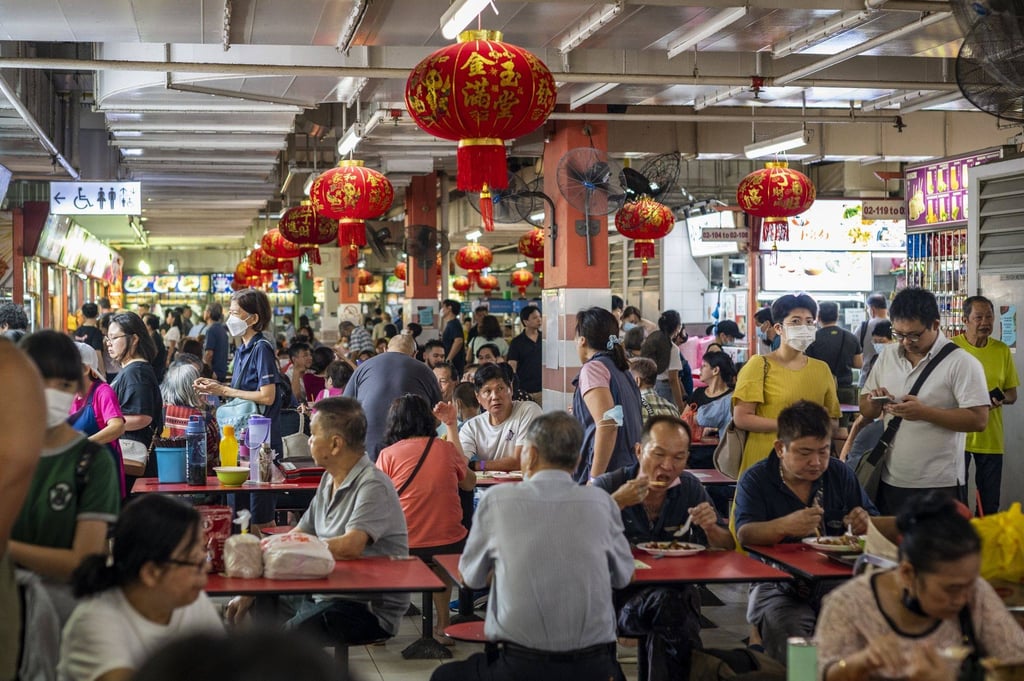
The study looked at various issues, including how the price of local favourites like chicken rice and wonton noodles differed across neighbourhoods, the average cost of eating out, and how food and drink prices have changed.
Conducted in two rounds of fieldwork between September and November last year and January and February this year, the team investigated 829 establishments, made up of hawker centres, food courts and kopitiams (traditional coffee shops).
Meals at these places accounted for more than half of households’ food expenditure, according to another study cited, the Household Expenditure Survey.