Advertisement
Japan called out by G7 ally Canada over imports of Russian seafood, energy amid Ukraine war
- Japanese importers’ preference for cheap Russian seafood hasn’t gone unnoticed in Canada, which says it has raised the issue with Tokyo
- Imports of Russian timber and energy also continue to flow in, as Japanese consumers struggle with the highest inflation in three decades
4-MIN READ4-MIN
41

Japan imported a record amount of seafood from Russia in 2022 and continues to bring in timber and liquefied natural gas from ports in the Russian Far East, despite criticism that such exports are helping to fund the invasion of Ukraine.
Rights groups, foreign businesses and a growing number of Japanese citizens are becoming more vocal in their criticism of Tokyo carving out several trade exemptions for its companies, while the United States and Europe continue to implement new sanctions on the regime in Moscow.
While other governments have largely remained uncritical – at least in public – about Japan’s sanctions policies to date, that is also beginning to change, with Canada recently expressing its disappointment over the amount of seafood Japan imported from Russia last year. That is likely to make discussions at the G7 summit in Hiroshima later this month more difficult.
Advertisement
Statistics from Japan’s Finance Ministry show imports of Russian marine products rose to 155.2 billion yen (US$1.15 billion) last year, eclipsing the previous record of 140.2 billion yen in 2018. According to a Kyodo News report, poor catches in domestic waters contributed to the high demand in Japan – at the same time as Russian fishermen enjoyed larger catches off the country’s eastern coast.
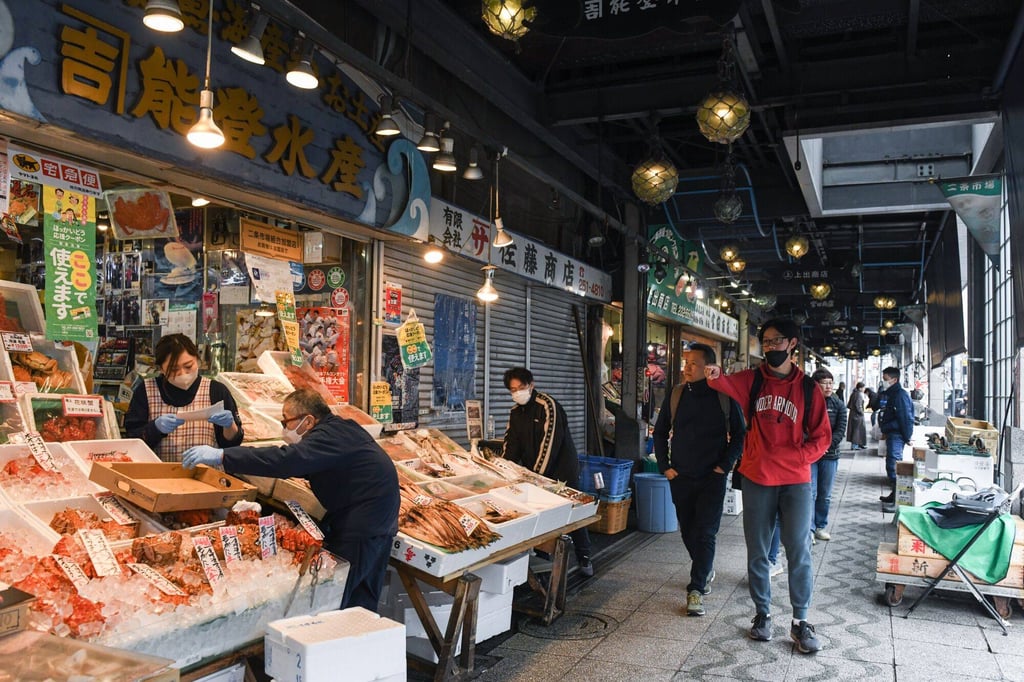
Snow crabs accounted for the largest single product brought into Japan. That may partly be due to strong demand, but is also a result of Russian exporters expanding into new markets after being banned from the US and other Western markets.
Advertisement
Advertisement
Select Voice
Select Speed
1.00x