Indonesia’s rice dilemma persists even with eased import curbs amid high prices
- Indonesia’s move to import more rice is facing opposition from local farmers who hope to get high prices for their crops
- The country also has other challenges ranging from stubbornly elevated rice prices to inefficient distribution

Indonesia’s move to import rice from neighbours like China and Thailand to control a “serious” surge in prices is leading to backlash from domestic producers, highlighting Jakarta’s dilemma in balancing the interests of farmers against consumers, observers say.
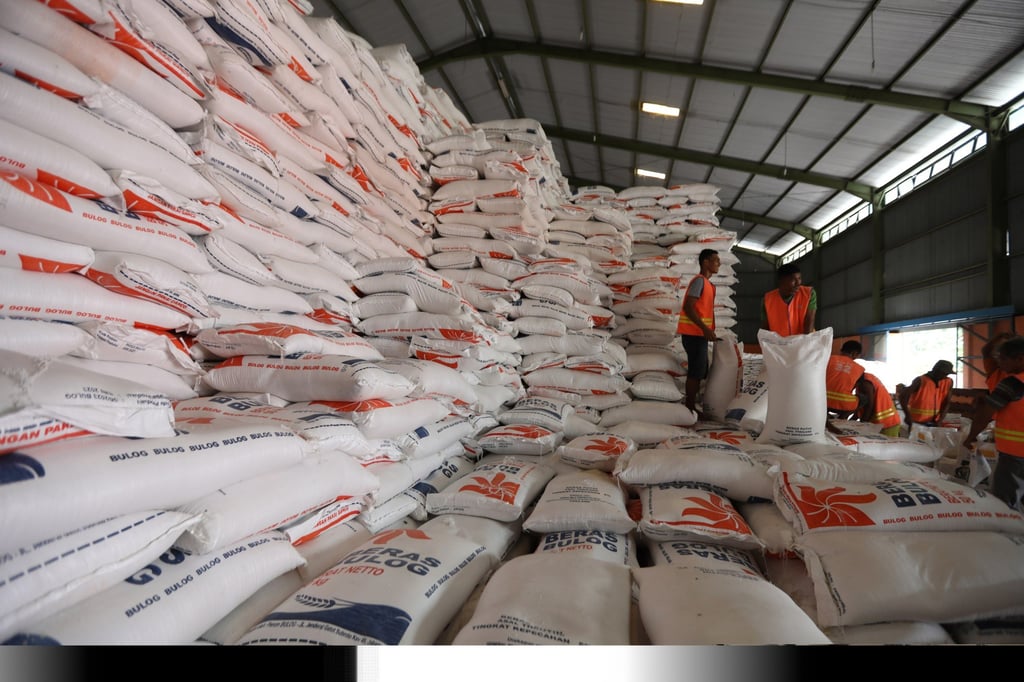
“Things are getting quite serious,” said Ronnie Natawidjaja, director of the Center for Sustainable Food Studies at Padjadjaran University. “The usual high-price time in Indonesia is December and March. Now it’s September and the prices are already high.”
At the end of August, the average price of medium-quality rice – the most commonly consumed type of rice – had risen by over a fifth year on year to 11,400 rupiah (73 US cents) per kilogram, according to data from Statistics Indonesia.
After decades of programmes to boost rice production, Indonesia achieved over 90 per cent self-sufficiency from 2019 to 2021, according to data from the United Nations Food and Agriculture Organization. However, this year the government imported 1.59 million tonnes of rice from January to August, with over half of the shipments originating from Thailand, government data showed. The figure is more than six times the 237,146 tonnes imported in the same period a year ago.

04:22
Indebted Thai farmers eye golden opportunity as price of rice rises globally
The National Food Agency (NFA) on September 26 said that Indonesia would also import 1 million metric tonnes of rice from China.