Malaysia’s central bank sees ‘positive’ economy in 2024 despite ringgit’s drop to 26-year low
- The ringgit performed in line with other regional currencies that took a hit from expectations of lower US interest rates, clouds over China’s economic prospects
- Malaysia’s 2024 economic growth will be driven by higher external demand and strong domestic spending, on expectations of accelerated global trade, the bank says

Malaysia’s central bank has defended the trajectory of the country’s economic growth, after the ringgit sunk to its lowest since the 1997 Asian financial crisis, blaming a strengthening US dollar and uncertainty in China’s economy rather than domestic indicators for the slump.
The ringgit fell to 4.7965 against the dollar in midafternoon trade on Tuesday, its lowest since an all-time low of 4.885 in January 1998, according to Bloomberg data.
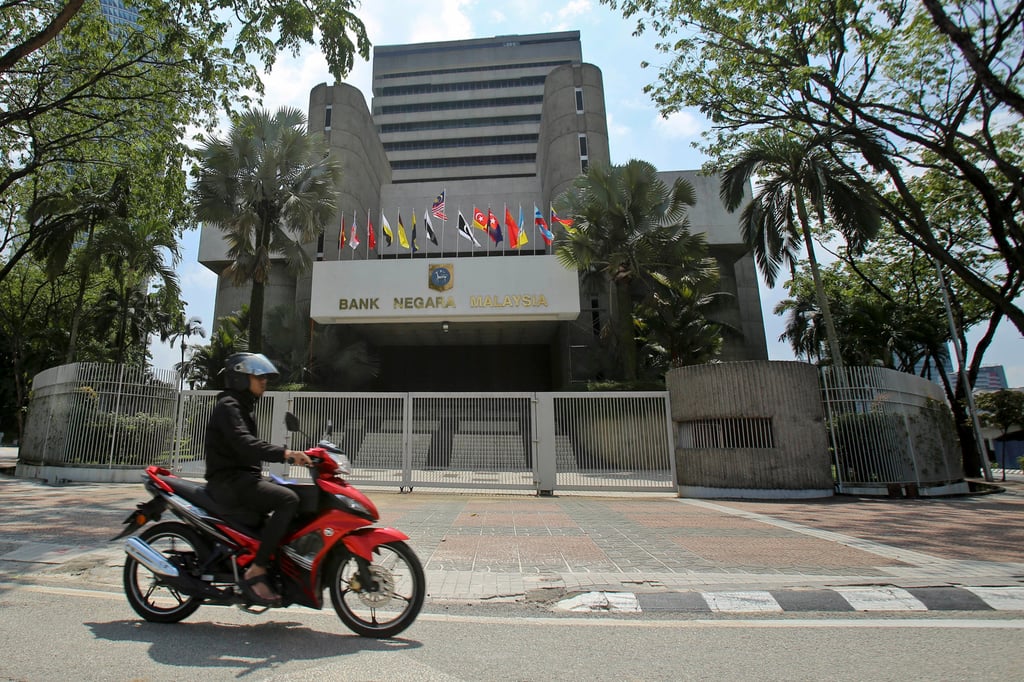
“BNM is of the view that the current level of the ringgit does not reflect the positive prospects of the Malaysian economy going forward,” the central bank said in a statement.
The weak ringgit is good news for exporters in Malaysia’s trade-reliant economy, but has led to stubbornly high inflation as consumers grappled with rising prices of imports such as fertilisers and animal feed, with costs then passed along the supply chain.
The ringgit lost 6 per cent to the US dollar as of last November, according to BNM data, a further decline from a 5.4 per cent slump against the US dollar across 2022.