Advertisement
Diaper dilemma: Japan firm switches to adult nappies, ditches baby products amid demographic crisis
- Given declining birth rates, diaper maker Oji Nepia is shifting its focus to diapers aimed at the country’s rapidly growing elderly population
- The company sold around 700 million nappies a year for babies as recently as 2001, it said, but that had fallen to just 400 million units last year
2-MIN READ2-MIN

One of Japan’s largest manufacturers of disposable nappies says it will halt output of products designed for babies and shift entirely to those made for the elderly in the latest sign of the nation’s worsening population crisis.
In a statement published on Monday, Oji Nepia, a subsidiary of paper-product giant Oji Holdings, announced that it will stop manufacturing nappies for babies at its domestic factories in September.
The company will no longer produce its Whito and Genki! brands of baby nappies, the company said, because of dramatically declining demand. The company sold around 700 million nappies a year as recently as 2001, it said, but that had fallen to just 400 million units last year.
Given the government’s most recent statistics on births, that figure is very likely to continue to decline. There were just 758,631 children born in Japan in 2023, a record low. That came as a shock to the government, which was already struggling to come up with ways to halt the contraction in the population after predicting in 2017 that births would not fall below the 800,000-a-year level until 2030.
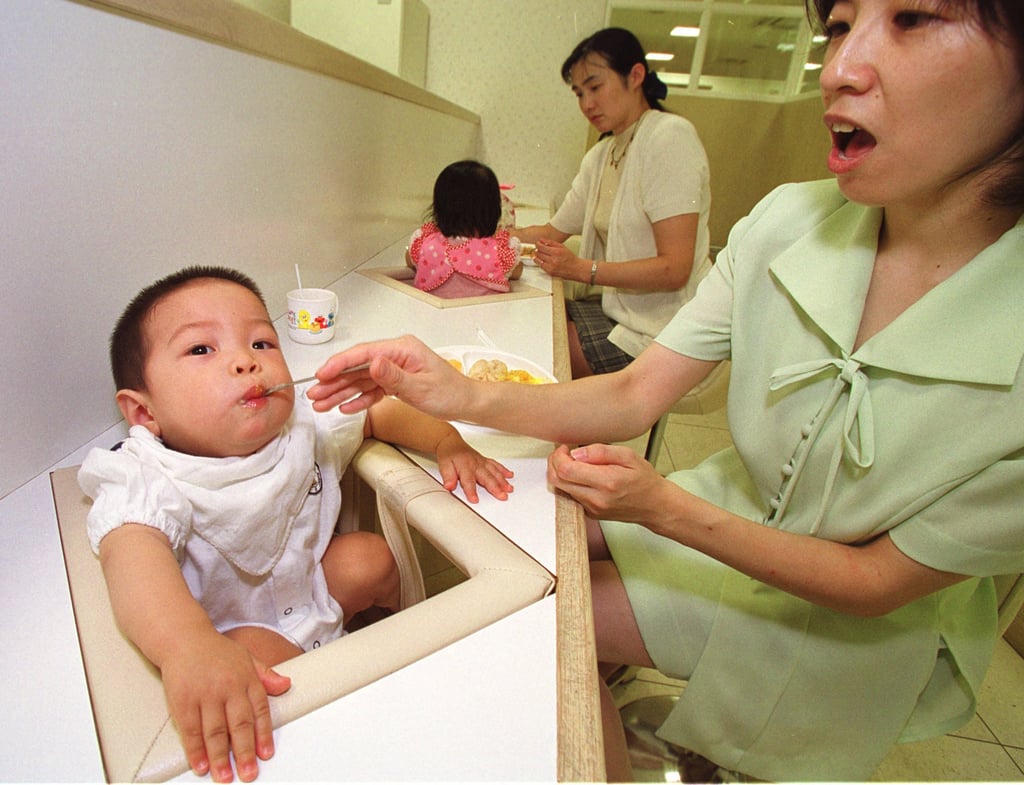
Last year also saw more than 1.59 million deaths in Japan. In 2022, children under the age of 15 accounted for less than 12 per cent of the total population, while nearly 30 per cent were aged 65 or older.
Advertisement
Select Voice
Select Speed
1.00x