Open for business: Chinese firms are Singapore-bound but will they stay?
- Singapore has emerged as the preferred hub for Chinese firms to expand in the region, even amid greater regulatory scrutiny and Hong Kong’s rebound

It can be hard to stay hidden when you are a man worth US$10.5 billion and living in an island state of 734 sq km, but the founder of fast fashion company Shein has managed to do just that.
So far no one has been able to produce a single fresh photo of Xu Yangtian, who also goes by Chris or Sky Xu, out and about or even in meetings or talking to investors in Singapore. Employees, urban legend has it, have never even seen him.
Such is the iron dome of secrecy he operates under. But he is not the only Chinese entrepreneur to adopt such a studiously low profile. Over the past few years, more of them have relocated to Singapore, using the city state for either their headquarters or research and development divisions, a trend triggered by China’s deteriorating relations with the United States and a regulatory storm against tech firms back home.
Even as their bosses seek the shadows, these Chinese businesses often find themselves in the limelight, thanks to the sudden fame – or notoriety of one of them – or changes in policy directions that have an impact on their fate.
With Hong Kong now rolling out the red carpet for more Chinese firms to domicile in the financial hub, a seemingly more natural fit given how China is like its hinterland, and as Singapore toughens its laws on the inflow of wealth, the companies are once again attracting renewed interest and questions.
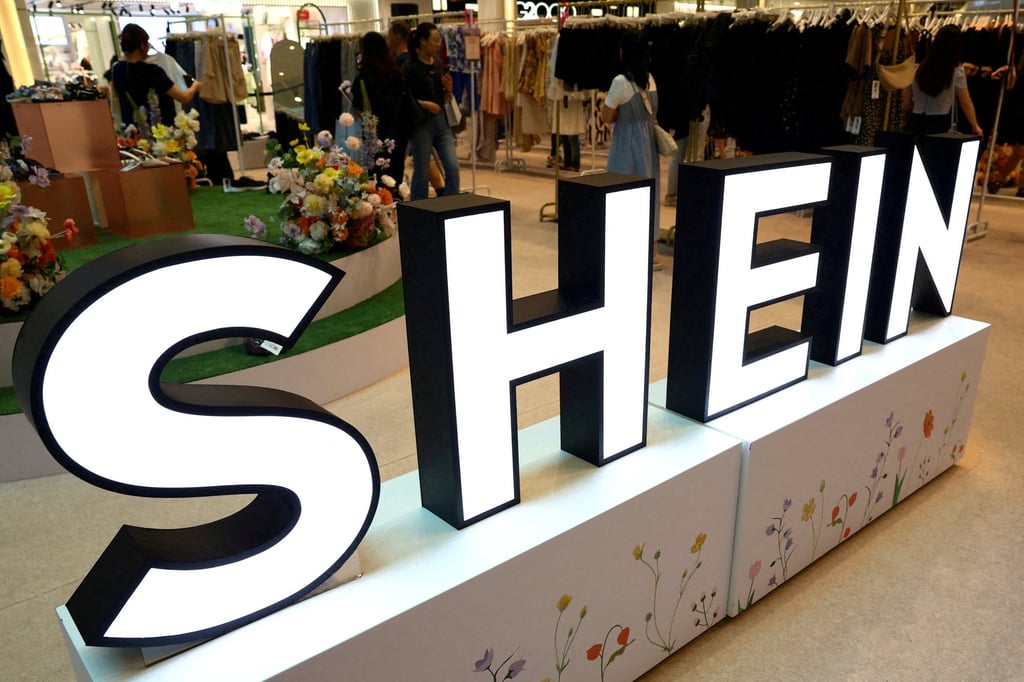
Shein is the latest to attract the spotlight with news of its plan to seek a London listing. The likely move is already mired in challenges due to its Chinese origins, as calls have mounted for it to be investigated for allegedly using “slave” labour and a lack of transparency about its operations in China.