Japan’s ultra-deep-sea quest to mine rare earths triggers a green backlash
While rich mineral deposits promise centuries of supply, critics argue Japan’s deep-ocean venture risks an irreversible ‘race to the bottom’

The Japan Agency for Marine-Earth Science and Technology plans to deploy a deep-sea drilling vessel to a site around 100km (54 nautical miles) from Minamitorishima, according to a report in the Nikkei newspaper dated July 1.
The remote atoll is some 1,850km (1,600 nautical miles) southeast of Tokyo and marks the easternmost tip of territory that Japan claims.
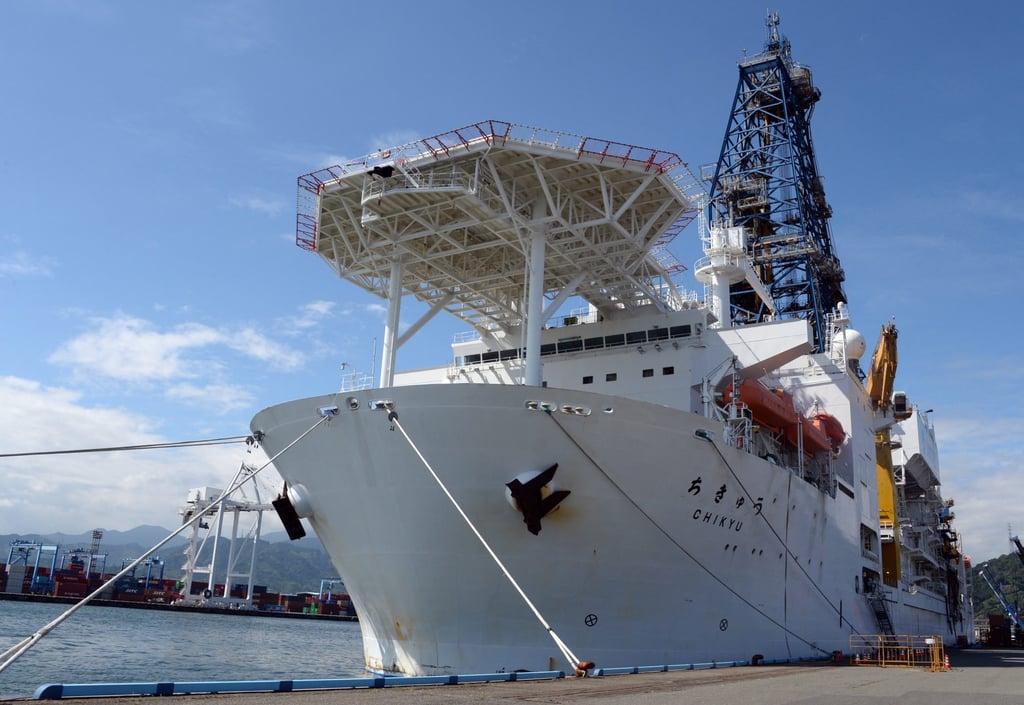
During the three-week operation, equipment will be lowered from the drilling ship Chikyu to around 5,500 metres (18,000 feet) to extract roughly 35 tonnes of seabed mud. While small samples have previously been collected from similar depths, the scale of this project is unprecedented, representing a step towards the commercial extraction and use of undersea minerals.
The recovered material will then be transported back to Japan, where it is hoped that each tonne of mud will yield an average of 2kg (4.4lbs) of rare earths.