Is Formula One’s first night race paying off for Singapore?
The race has remained a ‘strong draw’ for international visitors and continues to deliver substantial returns for Singapore

Government officials and analysts say the event continues to deliver substantial returns in terms of tourism receipts, global branding and local business opportunities. Yet small businesses and some residents are mixed on whether the race’s benefits are evenly spread or as impactful as they once were.
In 2022, Trade Minister Gan Kim Yong said the cost of hosting the race under the current seven-year deal – which expires in 2028 – would range between S$135 million and S$140 million annually, with the government co-funding up to 60 per cent of approved costs.
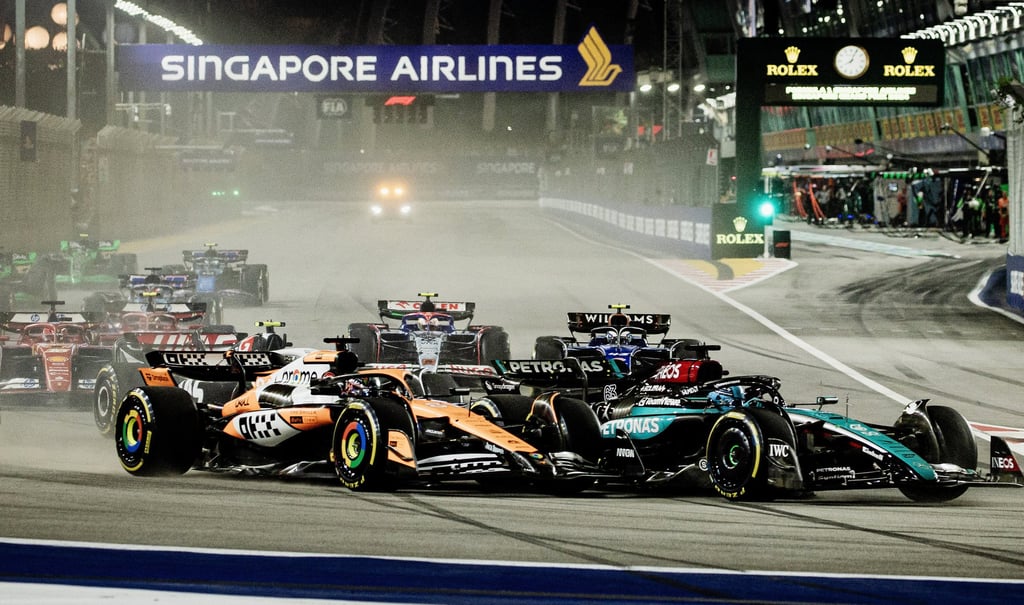
Lilian Chee, director of sports at the Singapore Tourism Board, told This Week in Asia that since its debut in 2008, the Formula 1 Singapore Grand Prix had attracted more than 720,000 international visitors and generated over S$2.2 billion in incremental tourism receipts across industries including hospitality, F&B, attractions and retail.
More than 700 Singapore-based companies are also subcontracted annually for the race, with local businesses involved in the race preparations and operations also reaping economic benefits.