Gig workers’ strike in India spurs debate on human cost of delivery race
More than 200,000 gig workers recently staged protests across major Indian cities, prompting concerns about the necessity of quick commerce

More than 200,000 gig workers staged protests across major Indian cities during the peak delivery period to highlight their demands for legislative protection, social security benefits and better wages, according to the Indian Federation of App Based Transport Workers.
They also protested against automated systems used by the platforms to penalise workers for late deliveries and reduce their ratings, provoking a debate over quick commerce, a trend that has caught on worldwide.
Quick commerce firms in India, such as Zomato, Blinkit and Swiggy have downplayed the recent strike, saying the disruptions only involved a fraction of workers, while simultaneously highlighting existing insurance and hourly daily earnings for workers’ welfare.
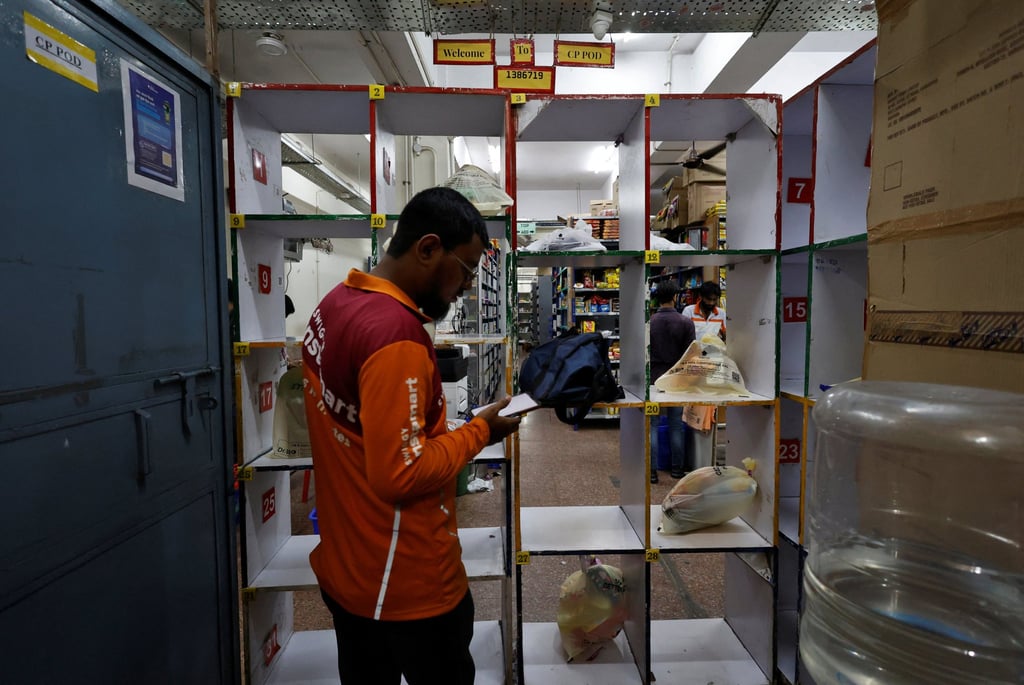
India’s gig economy is rapidly growing, with about 7.7 million workers in 2020-21, according to government think tank NITI Aayog. The workforce segment is projected to reach 23.5 million by 2029-30, making it a significant part of the economy.