Singapore’s retail ownership data sparks debate about foreign chains’ influence
Some observers warn that public perception could be warped since popular foreign chains in places with high footfall may be more visible

The discourse online centred on what the statistics implied – critics felt that though the proportion of foreign-owned entities, especially from China, might be minuscule, most could actually be big brands with multiple outlets, jostling out smaller local businesses.
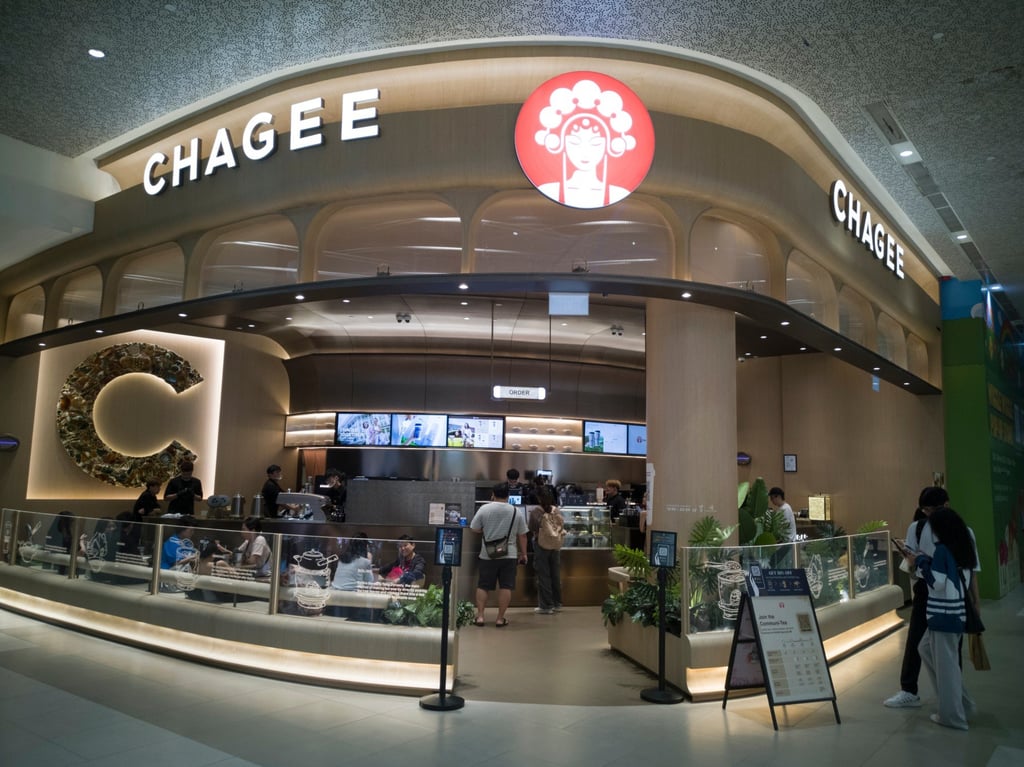
Some observers, however, warn that public perception could be warped since popular foreign chains such as Chinese-owned Chagee, Luckin Coffee or Scarlett supermarket occupy places with high footfall and therefore are more visible, giving the impression they may be edging out small local operators.
Gan earlier this month announced the retail numbers – covering food and beverage, clothing, supermarket, as well as pharmaceutical and medicine shops – from the Accounting and Corporate Regulatory Authority, a government body which oversees company registration in Singapore.
The data showed that as of January 8, Singapore residents owned 89.7 per cent, or 40,931 of registered retail businesses in the city state, while business owners who were Chinese nationals accounted for 3 per cent (1,390), followed by Malaysians and Indians who owned about 0.9 per cent each.
The remaining proportion comprised business owners from the United States, Japan, Vietnam and Indonesia.