Bin bag panic grips South Korea as huge Iran war crisis budget agreed
The won is at a 17-year low, parliament is in damage control mode and shop shelves are being stripped clean of plastic bags

In Seoul last week, South Koreans were stripping shop shelves of plastic bin bags. Not food, not medicine. Bin bags.
Nearly 2.7 million of the city’s mandatory “pay-as-you-throw” bags were sold each day, almost five times the normal volume, as residents scrambled to stockpile what they feared might soon become scarce.
City by-laws mandate that the prepaid bags – made from naphtha, a petroleum derivative – be used to throw away household waste. But with oil supplies under strain amid the near-total closure of the Strait of Hormuz, a nation that runs on Middle Eastern oil was worried about running out.
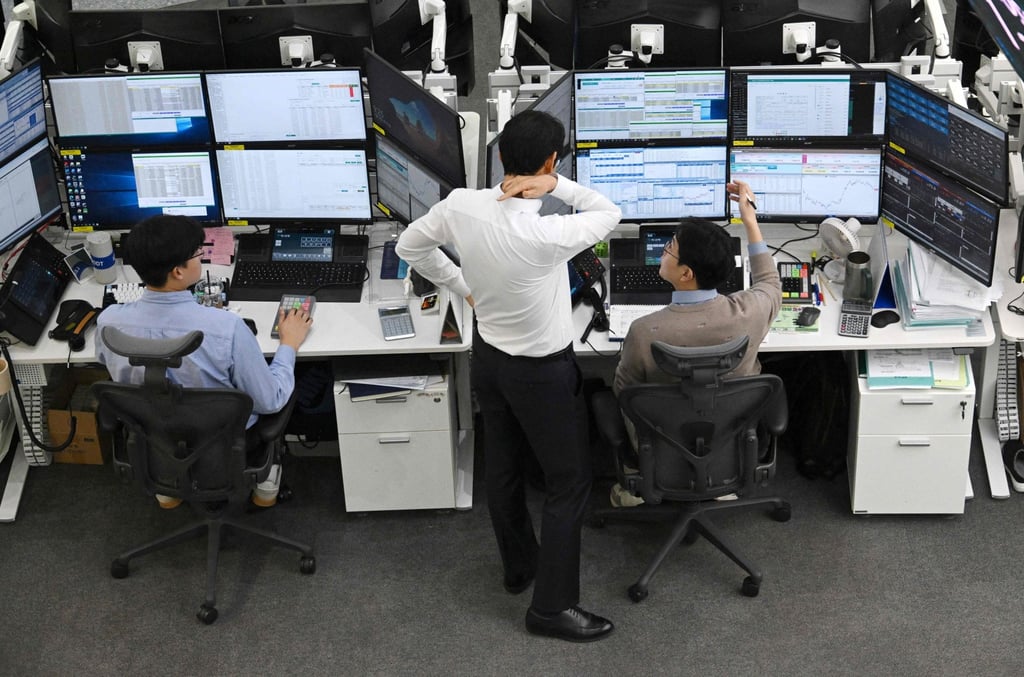
Earlier this month, the main benchmark Kospi index experienced its worst single-day drop in history, plummeting by more than 12 per cent. The won has tumbled to its lowest level since the global financial crisis of 2008-09, briefly breaching 1,530 per US dollar in intraday trading on Tuesday – the first time it has traded in that range in 17 years – and the Organisation for Economic Cooperation and Development has cut its 2026 growth forecast for the country by 0.4 percentage points to 1.7 per cent.