Malaysia races to go green as Iran war squeezes oil supply
To avoid future supply shocks, the government aims to raise renewable generation to 70 per cent of the energy mix by 2050

Tehran all but shut access to the Strait of Hormuz last month in retaliation for the US and Israel’s attacks, disrupting a key energy chokepoint through which about 25 per cent of global seaborne oil trade and nearly a fifth of global liquefied natural gas exports pass – much of which is destined for Asia.
The conflict sent Brent crude prices soaring to as high as US$120 a barrel, with prices averaging above US$100 over the past month as Asian economies raced to find alternative sources to shore up rapidly dwindling supply to feed their energy-intensive industries and hundreds of millions of consumers.
In such an environment, energy security is no longer optional
“In such an environment, energy security is no longer optional – it is a strategic national priority,” Malaysian Deputy Prime Minister Fadillah Yusof said on Tuesday while launching a solar energy project supplying power to US semiconductor firm Micron.
“Therefore, we must continue to strengthen our position by developing stable, domestic and sustainable energy sources to ensure long-term resilience.”
Malaysia’s government earlier said it had sufficient crude oil supply to last through May, but warned the country would enter a “very critical period” afterwards, with industries already reporting shortages in oil-derived raw materials used in everything from plastics to medicines and medical devices.
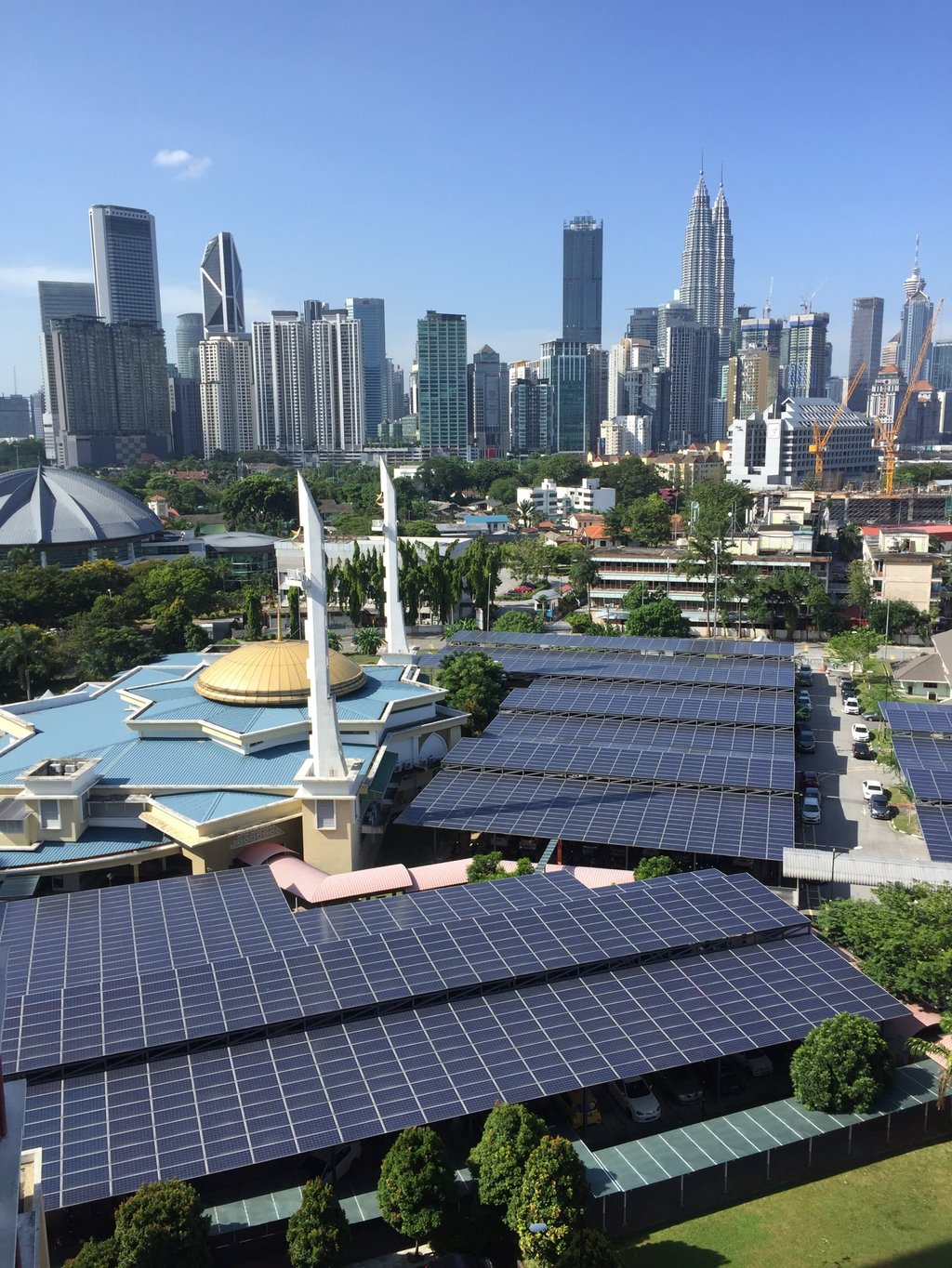
Fadillah, who also oversees the country’s energy transition portfolio, said the crisis showed the need for Malaysia to ramp up green energy generation and develop large-scale battery storage systems to boost renewable energy supply into the national grid.