Would more drastic measures help Philippines bring down fuel prices?
The Philippines is one of the worst hit by the oil crisis, but its deregulation law prevents the government from capping fuel prices

Economists say the more realistic options are tax relief, targeted subsidies and transport support rather than direct price controls.
Sharon Garin, secretary of the Philippines’ Department of Energy, said on a radio programme on Sunday that the country might no longer see diesel at 60 pesos (US$1) per litre because of structural damage to Gulf oil facilities during the conflict.
“If the war had only lasted for two weeks, prices would have gone down. But the structural damage has already been done. It will take a long time to fix the facilities,” the energy secretary told Super Radyo dzBB.
“Even if the prices go down, it won’t be as fast as its increase. We may never get to reach 60 pesos per litre for diesel.”
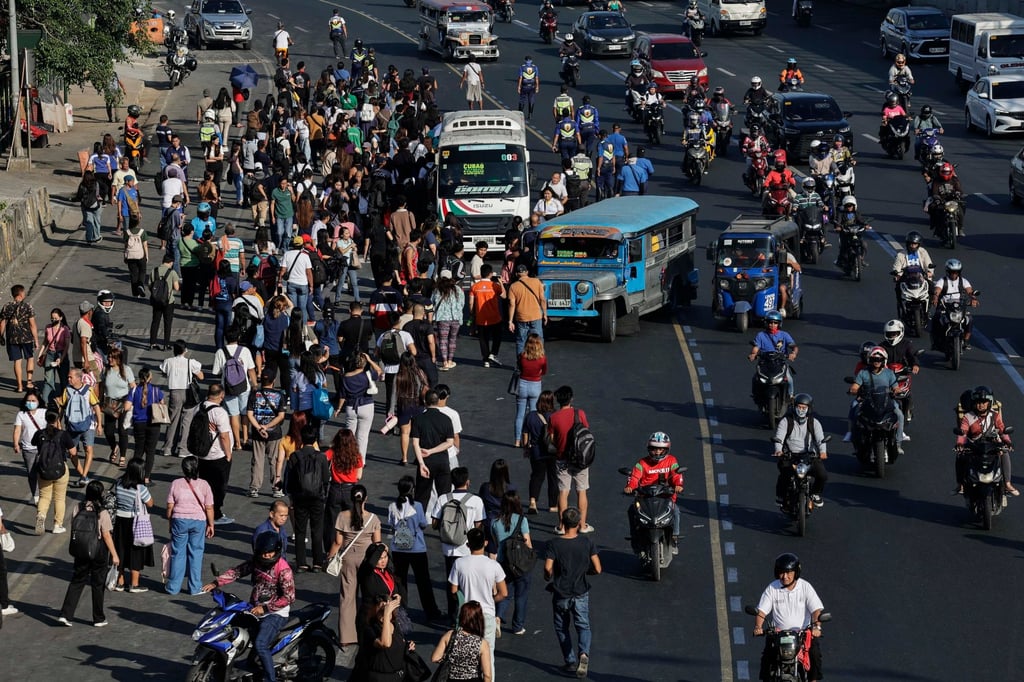
Her remarks underlined a growing concern: that what began as a wartime price shock may turn into a longer-term energy problem for one of Asia’s most import-dependent economies.