ExplainerCoronavirus treatments and vaccine trials in the works
- A number of proposed antiviral treatments and vaccines are already in the experimental phase, just months after the coronavirus was identified
- Accumulated knowledge from studies into Sars and Mers has allowed scientists to advance at unprecedented speed
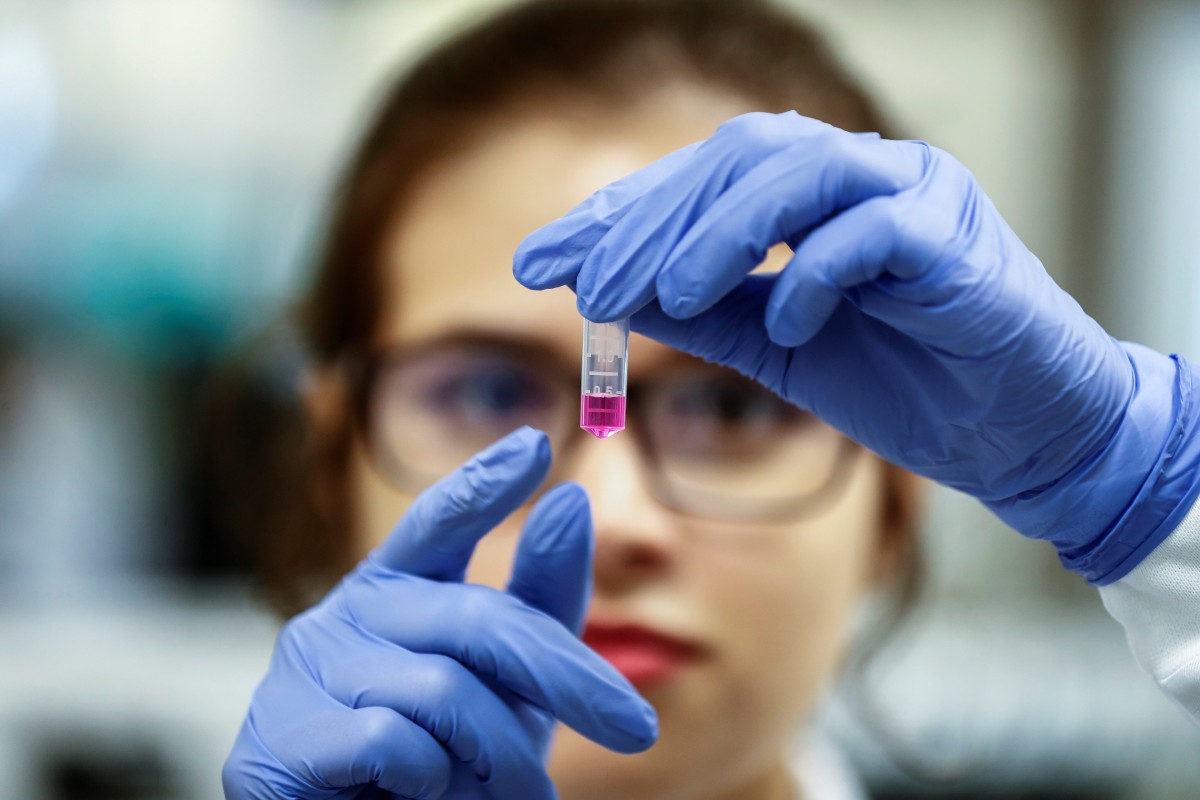
Many of the proposals now under study come from research groups that have spent years working to combat similar coronaviruses, particularly severe acute respiratory syndrome (Sars) and Middle East respiratory syndrome (Mers).
All that accumulated knowledge has allowed scientists to advance at unprecedented speed.
We know, for example, that the genome of the novel coronavirus, called SARS-CoV-2, is 79 per cent like that of Sars. We know the “key” used by the virus to get into human lung cells is protein S and that the “lock” in the cell is the ACE2 receptor. We also know that the entry of the virus is facilitated by a protease, or an enzyme that breaks down proteins, from the cell itself, called TMPRSS211.
Once the virus is inside the lung cell other genes get to work: those for RNA polymerase (RdRp), an enzyme that replicates the virus genome, and for C3CLpro and PLpro proteases, which are involved in the processing of viral proteins. These genes are likewise very similar to those of Sars.
These details are important. Understanding the biology of SARS-CoV-2 – and how it resembles or differs from other deadly viruses – helps with the design of antiviral drugs to treat the disease and vaccines to prevent it.
Here is a snapshot of the many antiviral treatments and vaccine trials in the works: