ExplainerHow US exit from Vietnam offers hope for Afghan refugees’ ‘orderly departure’ past August 31 deadline – if the Taliban agrees
- Advocates say an ‘orderly departure programme’, like the one previously run in Vietnam, could offer safe passage out of Afghanistan for would-be refugees
- History shows there are both promises and pitfalls. And the Taliban looks increasingly wary of allowing a longer-term evacuation to take place
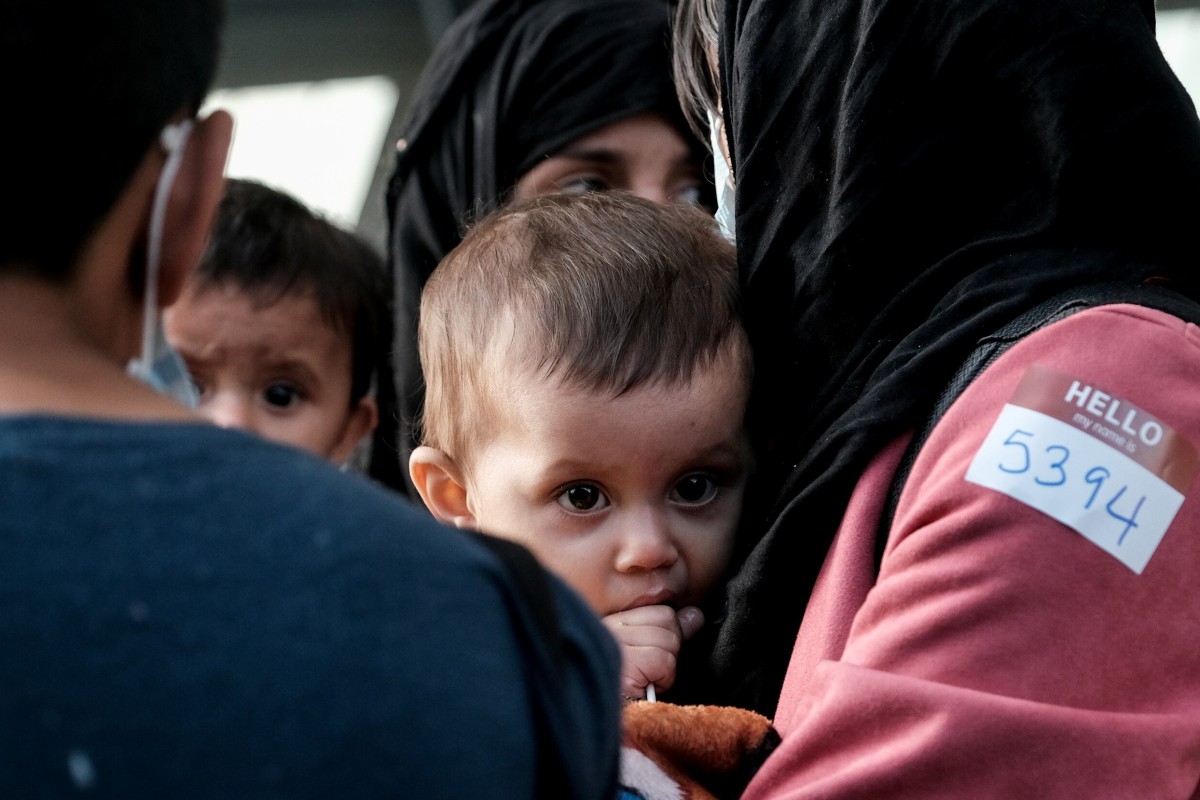
Yet, thousands of Afghan nationals are still hoping for an escape.
History shows these programmes hold promise and pitfalls. But if combined with other measures – such as expanded resettlement efforts – a scheme for orderly departure by air or through safe land corridors could offer a vital additional way out.
How orderly departure has worked before
Orderly departure is a unique practice. Ordinarily, a person at risk of persecution or other serious harm must first flee across an international border before trying to access protection under international refugee and human rights law.
In contrast, orderly departure involves some, if not all, of the immigration, medical and security checks to be conducted while applicants are still in their home country, otherwise known as “in country”.