ExplainerWhat does Russia’s threat to torpedo Iran nuclear deal mean for oil prices and Asian economies?
- Iranian oil can return to global markets under a revived nuclear pact, easing the supply crunch brought on by the Russia-Ukraine war
- But Moscow’s demands could disrupt the nuclear talks, bring more pain to economies already reeling from high prices

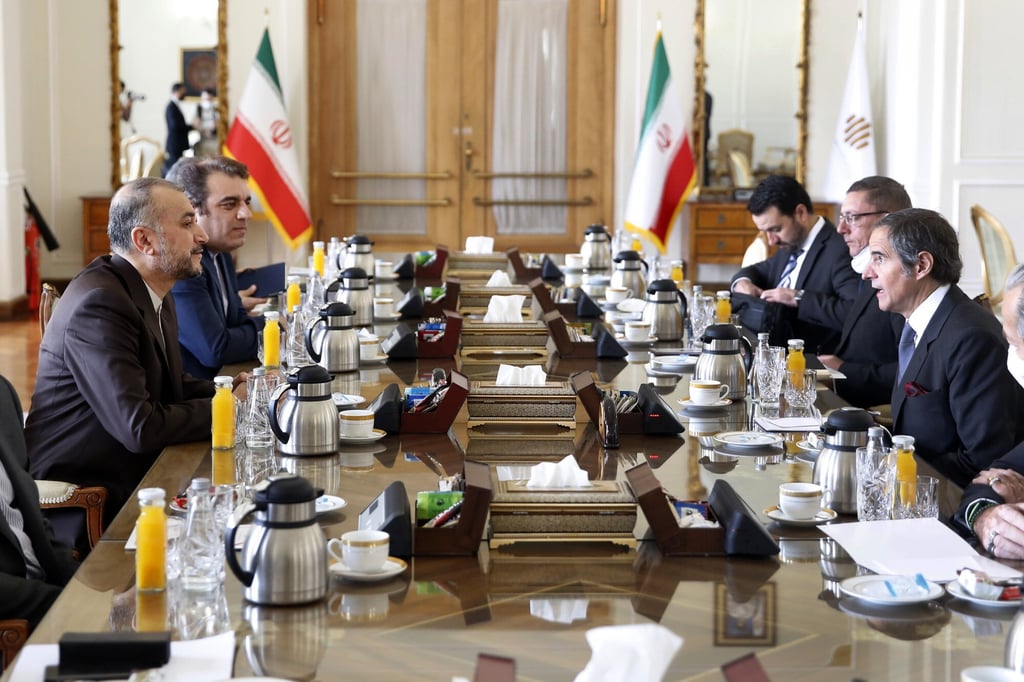
Lavrov’s bombshell means a likely delay in the full-fledged resumption of Iranian oil exports. Oil analysts are hoping increased Iranian oil flows will reduce pressure on Asian and Mediterranean markets reluctant to buy Russia’s benchmark Ural blend because of growing sanctions on Moscow.
What does the nuclear deal have to do with oil?
In 2015, Iran and six world powers agreed on the Joint Comprehensive Plan of Action (JCPOA). They reached an agreement where most economic sanctions against Tehran, including on oil exports, would be lifted if the United Nations nuclear watchdog could verify that it was no longer enriching uranium to weapons grade levels as part of its nuclear programme.
For the US and its European allies, Russian oil replaced Iran’s sour crude exports. Now that they are considering banning imports of Russian oil amid its war with Ukraine and with concerns about the supply crunch, oil prices have soared to their highest since 2008. Russia exports around 7 million barrels per day of oil and refined products, or 7 per cent of global supply. It is the world’s third-largest oil producer.