ExplainerSri Lanka President Gotabaya Rajapaksa flees to Maldives. What happens next?
- Amid the nation’s severe economic crisis, with food, fuel and medicine shortages, the president and prime minister have both said they’ll resign
- Until they formally step down, though, protesters say they won’t leave the government buildings they have taken over in Colombo
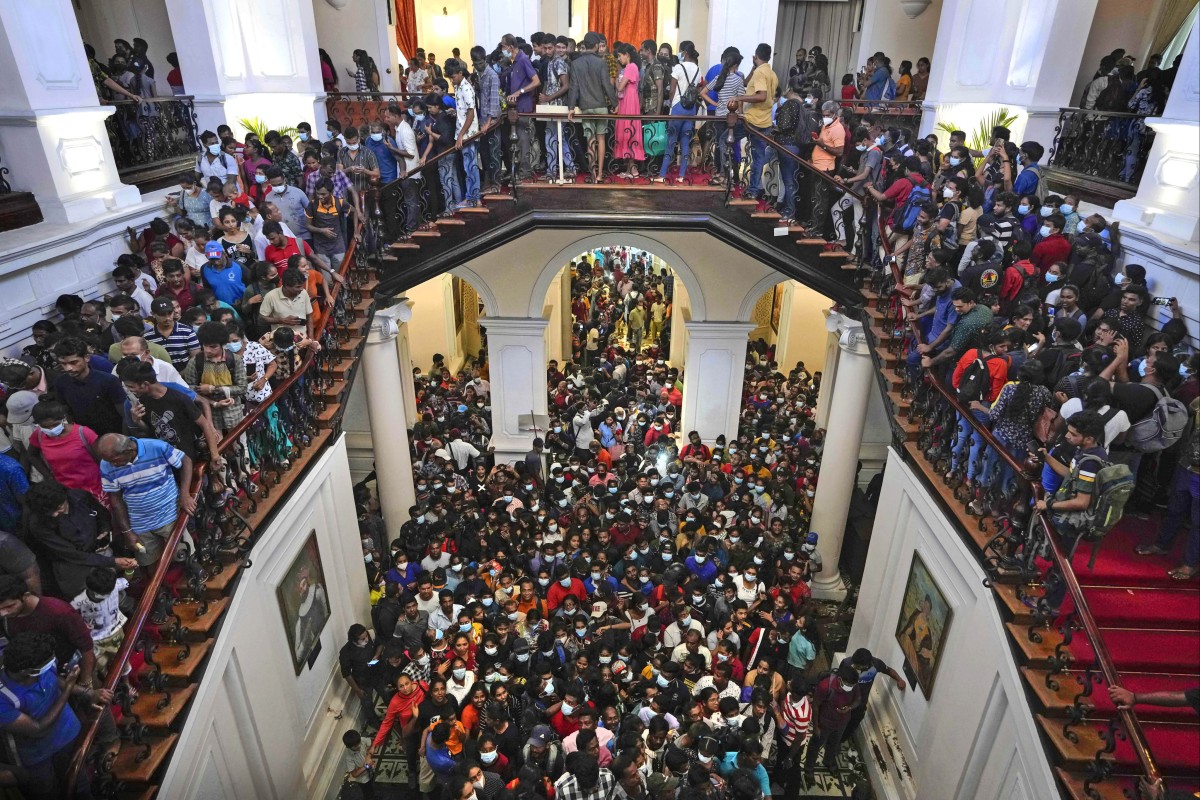
Most Sri Lankans are clear on what they think of President Gotabaya Rajapaksa, blamed by so many for mismanaging the economic crisis that has brought the nation to its knees and blighted the lives of millions through food, fuel and medicine shortages.
However, his whereabouts have been far less transparent since hordes of desperate protesters, some of them on the streets for weeks, swarmed government buildings in Colombo, including his official home, on Saturday, then refused to leave. The BBC on Wednesday reported that he fled the country on a military jet, arriving in the capital of Maldives, Male, at 3am local time. His brother, the former finance minister Basil Rajapaksa, has also left the country and is headed for the US, the BBC said.
Their decision came after thousands flocked to the capital, determined to oust the government amid unbearable living costs. Police fired tear gas and some journalists were said to have been assaulted by elite police officers. Late on Saturday night, the prime minister’s house was set ablaze.
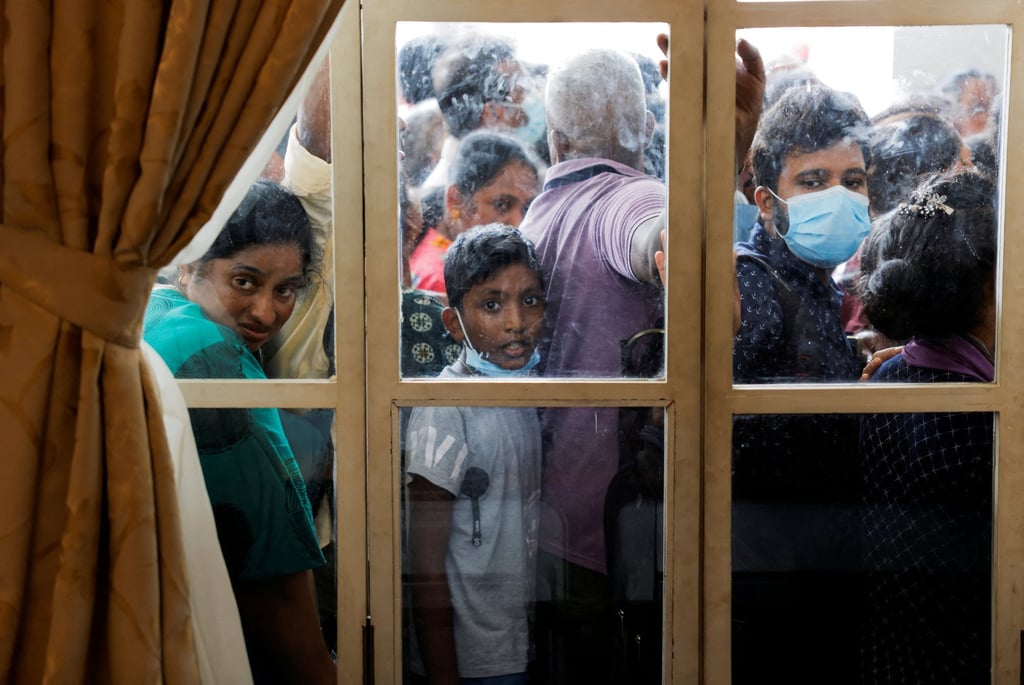
Protesters on Tuesday continued to occupy official buildings. Video footage has shown them swimming in the president’s pool, sleeping on his bed and playing the piano, while the prime minister’s residence is now a community kitchen. Some are sceptical that the announced resignations will go ahead. Kasumi Ranasinghe Arachchige, involved in the protests since they began in late March, said people are waiting to see what happens next.
“They have changed their plans last minute before,” she said. If the resignations do happen “it’s a small victory” but if “manipulation or corruption” remain, protests will continue, she added.