Asean and China have moved on ... didn’t Vietnam get the memo?
As other rival claimants scale down their rhetoric, Hanoi finds itself standing alone against Beijing’s actions in the South China Sea

Vietnam insists it pursues a neutral foreign policy straddling major powers China and the United States, but its emergence this year as the most strident Southeast Asian critic of Beijing’s controversial island building in the South China Sea raises questions about that stance.
Hanoi’s China policy came into focus this month, as the two neighbours locked horns over an oil drilling project in a maritime block claimed by both sides, and as Vietnamese diplomats attempted to use a communique at a summit of the Association of Southeast Asian Nations (Asean) to pile pressure on Beijing’s rising assertiveness in the disputed waters.
Forget the chatter, Asean-China relations have entered an easing cycle
And with signs Vietnam is courting enhanced military tie-ups with the likes of the US, Japan and India – strategic rivals of Beijing – observers say the country could well become the deepest Southeast Asian thorn in China’s side as the rising Asian power seeks to lure the region closer under its diplomatic ambit.
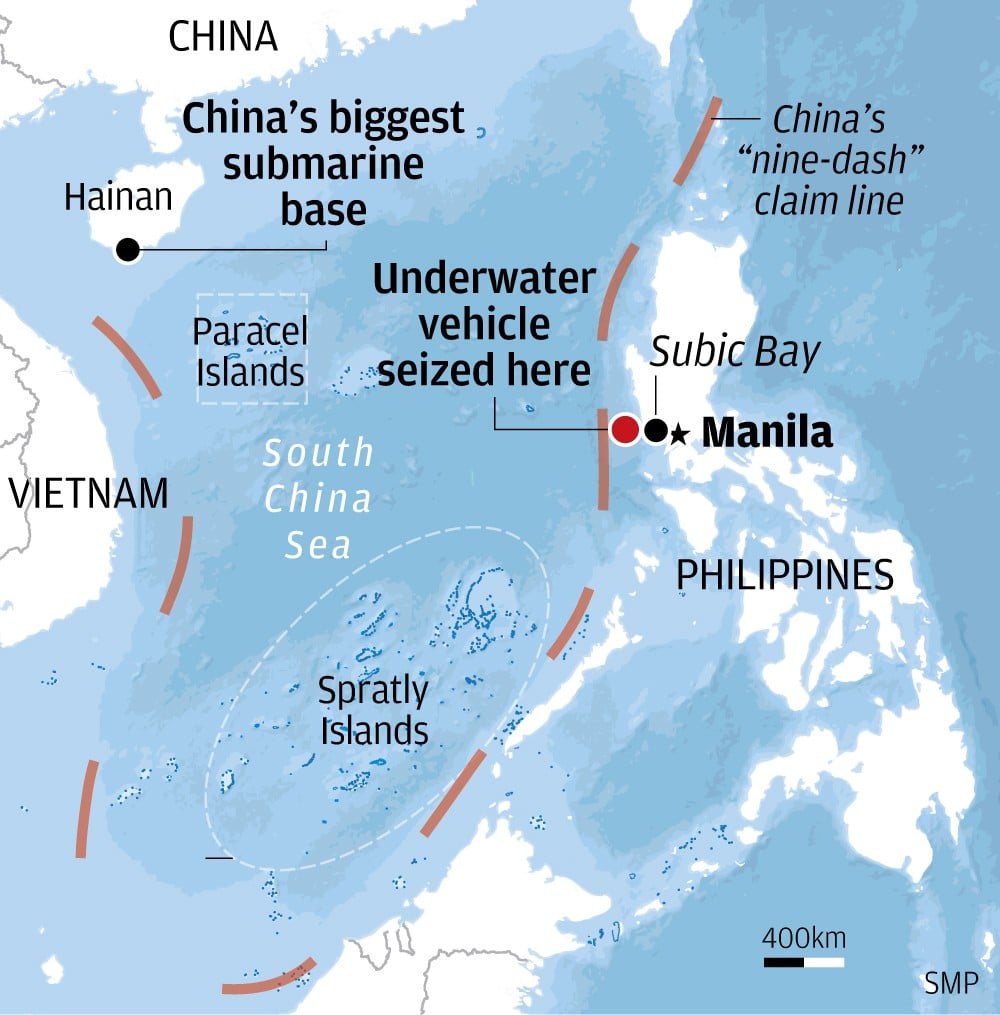
Within Southeast Asia, Vietnam’s communist rulers have become isolated as they stand their ground in publicly chastising China over its actions in the strategically vital sea, through which some US$3.4 trillion in trade passed in 2016. China claims 80 per cent of the waterway under its nine-dash line maritime boundary.
And at the Asean foreign ministers’ meeting from August 5 to 6, Hanoi was again alone in its defiance. Vietnamese diplomats triggered the feud after unsuccessfully trying to note in the meeting’s communique that a maritime code being negotiated between the 10-nation bloc and China was to be “legally binding”.