Who gained the most from Hong Kong’s colonial era: Britain, China or the city?
A brief history of the British Empire’s control shows many inside – and outside – the city benefited from its rule

Hongkongers are often said to be too practical to worry about history, let alone argue whether colonialism here was good or bad.
It’s hard to imagine something along the lines of the recent controversy over the “ethics of empire” project at Oxford, even less a demand to demolish statues or rename roads and buildings. But that has not stopped colonialism from appearing in local political discourse, more than 20 years after the return to Chinese sovereignty.
Judging empires: Was Japanese rule in Taiwan benevolent?
So-called Beijing loyalists and self-proclaimed pro-establishment figures blame colonialism for the failure of Hong Kong people, especially youth, to embrace the “motherland”.
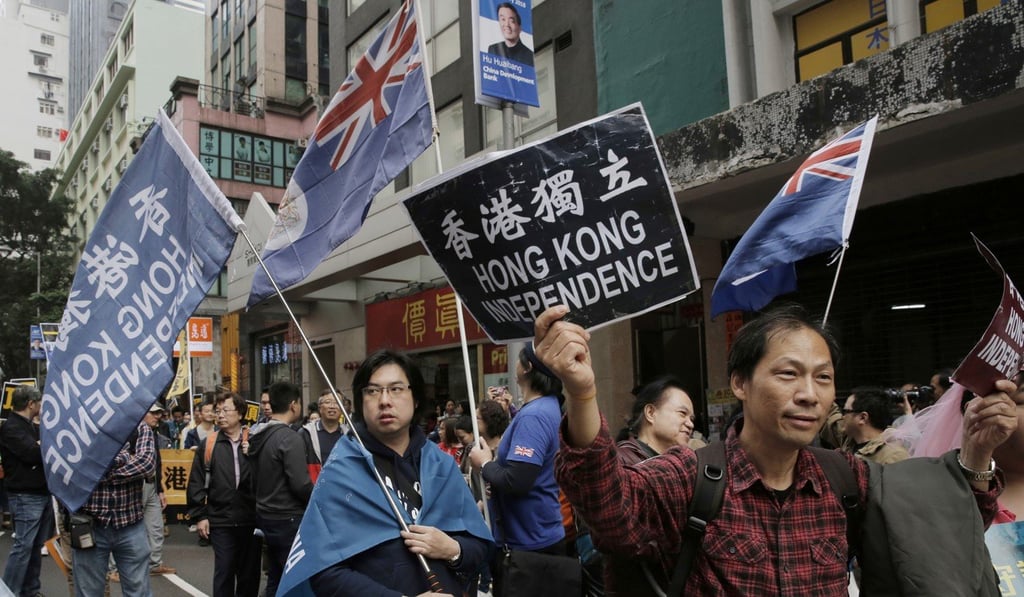
It’s an odd claim. To be sure, the colonial government worked hard from the late 1960s to build a sense of local identity, including through education and programmes such as the Hong Kong Festival and the Keep Hong Kong Clean Campaign. But if colonialism is why so many local people increasingly identify themselves as Hongkongers first and Chinese second (if at all, for some), then wouldn’t this have been even more so the case in the immediate years after 1997, rather than two decades into reintegration with the mainland?